
Mahé de La Bourdonnais, the builder governor
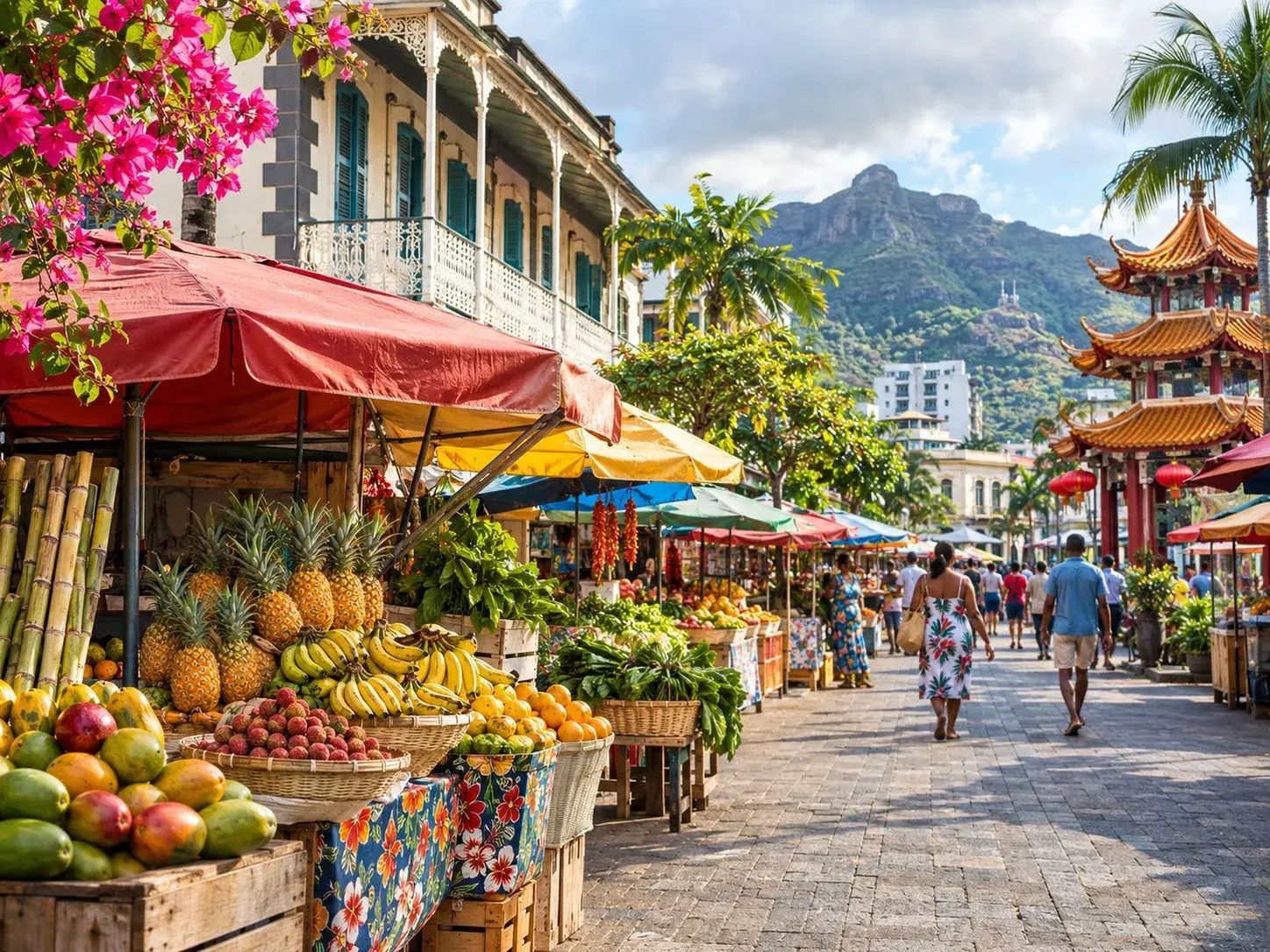
Arriving on 4 June 1735 in the service of the French East India Company, this native of Saint-Malo turned a modest trading post into a colony. Hospital, windmill, kitchen garden, sugar mills: his mark can still be read in Port Louis and Pamplemousses.
September 22, 2026
 AI-generated image
On 4 June 1735 a new governor landed on the Isle de France. Bertrand-François Mahé de La Bourdonnais had been born in Saint-Malo, in Brittany, in 1699. The French East India Company, which then administered the island for the King of France, had appointed him to replace Governor Nicolas de Maupin. With him, the colony changed scale. He was the first French governor to reside permanently on the island, and his arrival drew many settlers from his native Brittany.
A trading post becomes a colony
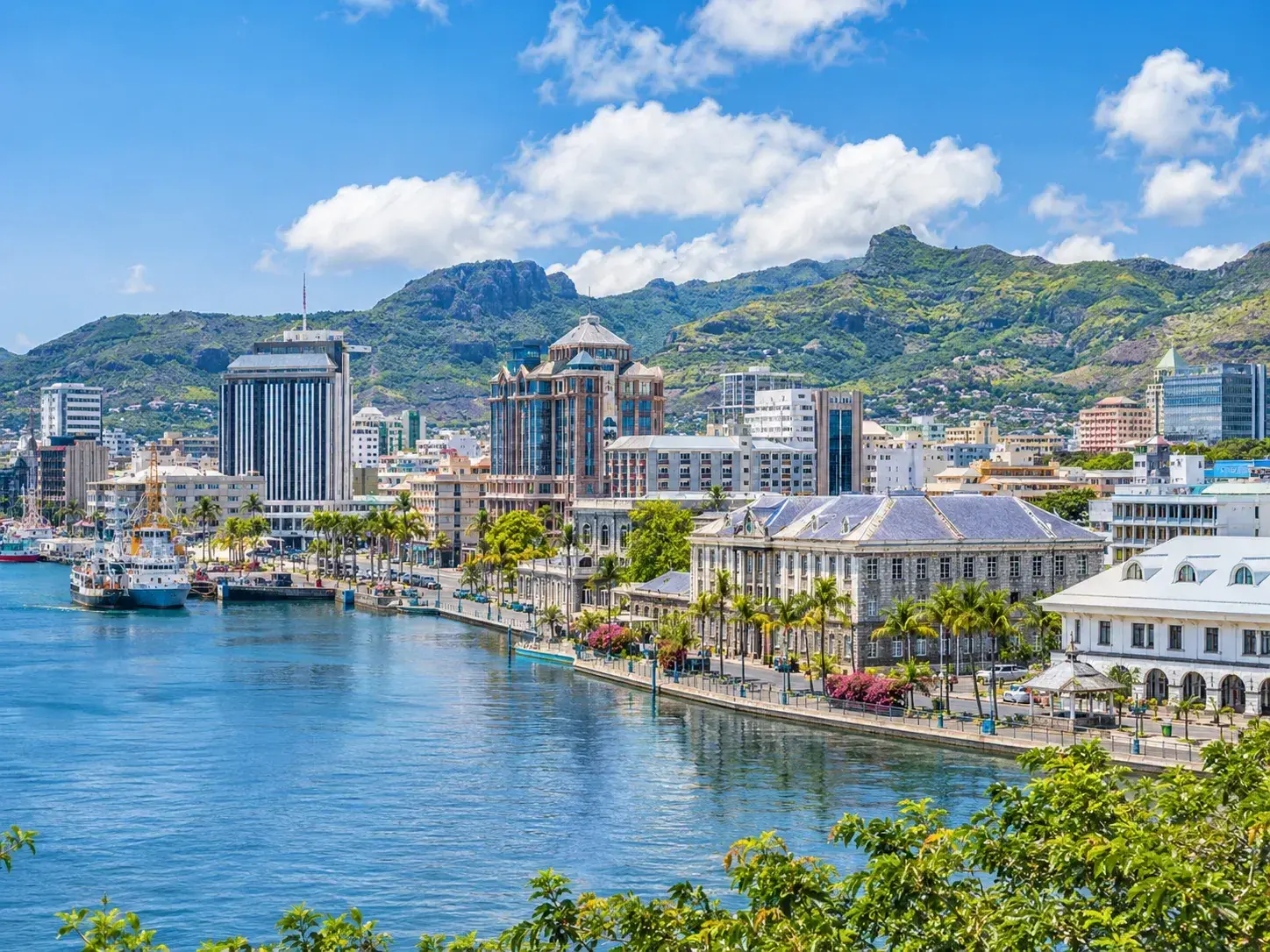
When he arrived, the island had barely a thousand inhabitants. La Bourdonnais set about transforming it. Port Louis, chosen in 1732 for its natural harbour, became under his governorship a naval base and a shipbuilding centre, and it was he who, from 1735, launched the building of the town. He turned what had been no more than a modest trading post into a solid, prosperous and populous colony: by 1767 the island would have nearly twenty thousand inhabitants.
In the first six years of his administration he had a windmill, a bakery, workshops, fortifications, warehouses and a large hospital built. The work was done by slaves and contract workers, and the aim was to give the settlers modern amenities that would improve their living conditions. The military hospital, completed in 1740, was one of the very first buildings of this colonial plan. The windmill had a second life: altered in 1831 by the Surveyor General, Captain Lloyd, it became an observatory and signal tower in 1841. Part of Government House and the Line Barracks, still standing in Port Louis, also date from his governorship.
Outside the capital, in 1737 he founded the island’s first Catholic church, at Vieux Grand Port, whose ruins can still be seen on the site of the Frederik Hendrik Museum.
 AI-generated image
Mon Plaisir, a colony’s kitchen garden
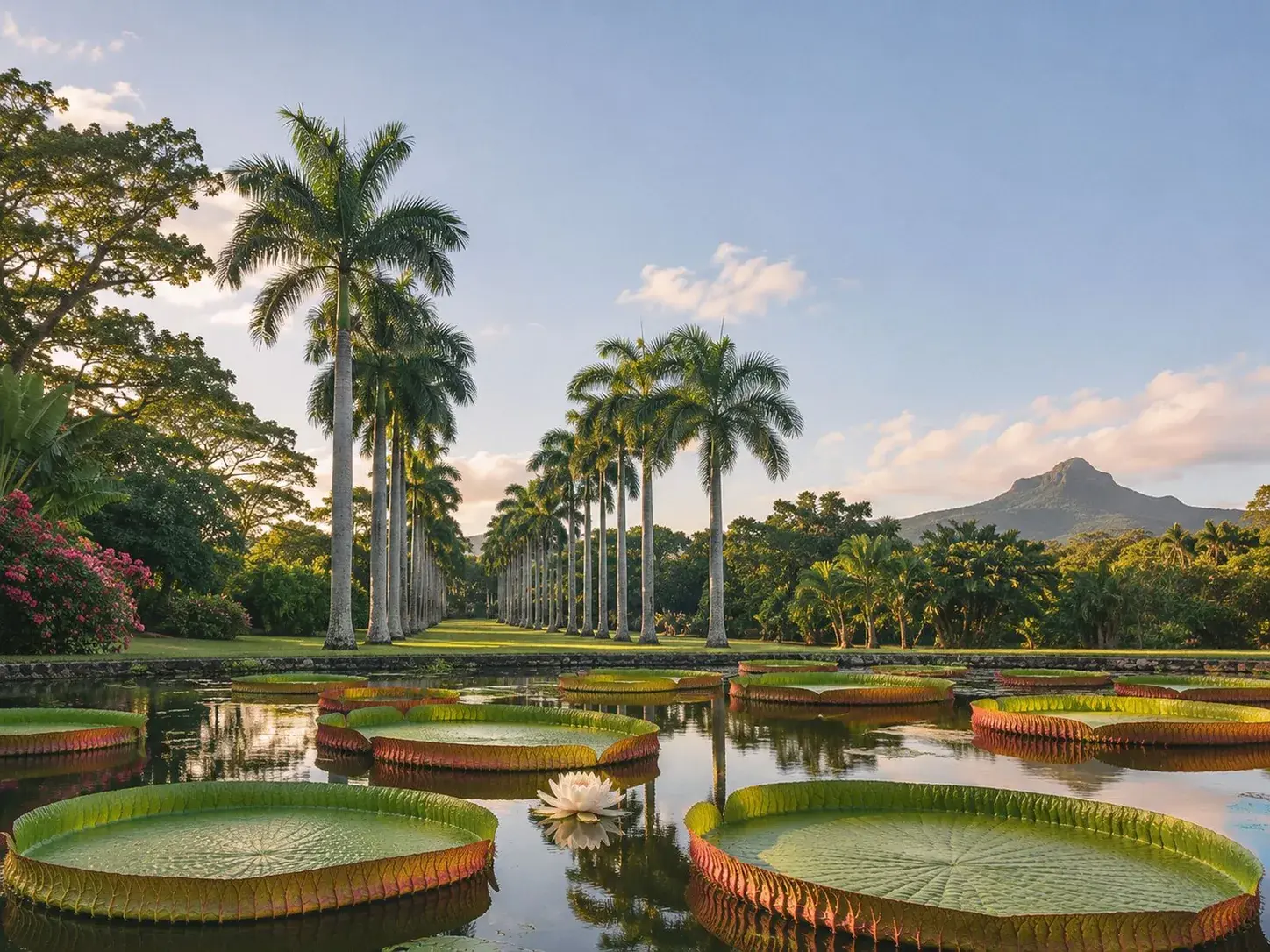
In 1736 La Bourdonnais bought some 209 arpents at Pamplemousses, about 80 hectares, and created the Mon Plaisir estate there. He laid out a trial garden, devoted mainly to food plants from Europe, Asia and as far away as Brazil, to feed his household, the town of Port Louis and the crews of passing ships. He brought water to it and introduced, among other plants, Indian cinnamon, pepper and myrobalan. Cassava, brought from Brazil, was acclimatised there in 1741: the governor wanted the settlers to make it a regular food crop. Mon Plaisir was not yet a botanical garden; it would become one some thirty years later, under Pierre Poivre.
La Bourdonnais nevertheless abandoned the estate on the death of his wife, and the Company took it over in 1739. The kitchen garden had taken root all the same. Pierre Poivre, intendant from 1767, bought Mon Plaisir in 1770 and made it an acclimatisation garden for nutmeg and clove. The Pamplemousses botanical garden, which has borne the name of Sir Seewoosagur Ramgoolam since 1988, now covers thirty-three hectares and holds 823 species.
The governor also laid the first foundations of the industry that would make the island’s fortune: he was responsible for two sugar mills, one at Villebague, in the north, the other at Ferney, in the south-east.
Madras, and after
His career did not end at the island’s shores. In 1746, during the War of the Austrian Succession, Madras and Fort St George, the English stronghold in India, surrendered after a short siege to the French forces he commanded with Joseph-François Dupleix. He died in 1753. An anonymous eighteenth-century portrait, held at the Palace of Versailles, shows him as an admiral of France.
 AI-generated image
What bears his name
In Mauritius his memory is everywhere, and not always where one expects it. His statue in Port Louis is listed as national heritage. His bed is on display at the National History Museum in Mahébourg. An avenue in the Pamplemousses garden bears his name, a few steps from the estate he created. Since 2023 the hospital of 1740 has housed the Intercontinental Slavery Museum, and the proximity is far from trivial: the builder of the colony built it with the labour of slaves.
The name has also travelled on its own. The château de Labourdonnais, at Mapou, owes the governor nothing but its name: the estate, which grew out of a land grant made in 1774, took the name only around 1839, and the house was built from 1856 to 1859 by Christian Wiehe. In 1875 the Labourdonnais sugar estate absorbed that of Forbach. It is a sign of what La Bourdonnais has become on the island: less a man than a landmark, met on a shop sign, an avenue or a rum label, often without anyone knowing that he was the first to lay out Port Louis.
Read next
- AI-generated image
Aapravasi Ghat and Le Morne: two places that explain the island
- AI-generated image
Since 1992, the Republic of Mauritius
- AI-generated image
12 March 1968, independence day
Where to stay
Stay in Mauritius
Places to stay that are still available, with current prices, compared across the main booking platforms.