Since 1992, the Republic of Mauritius
On 12 March 1992, twenty-four years to the day after independence, Mauritius replaced the Queen with a president. What this change altered, and what the country has become since.
October 31, 2026
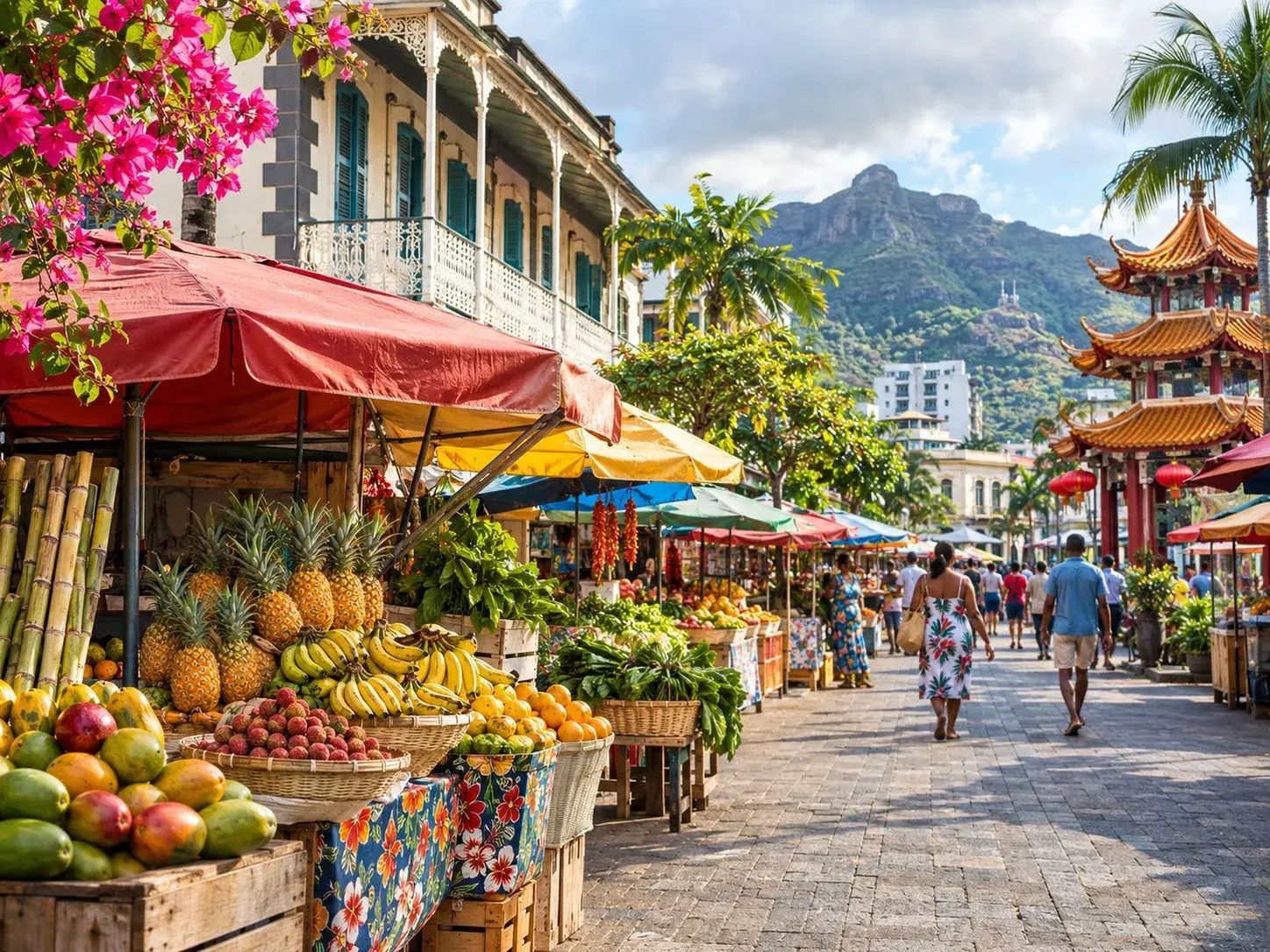 AI-generated image
On 12 March 1992 Mauritius changed neither its Parliament nor its Prime Minister. It changed its head of state. In 1991 Parliament had voted for the move to a Republic, and section 1 of the Constitution, amended by an Act of the same year, now states it in a single sentence: Mauritius is a sovereign democratic State, known as the Republic of Mauritius. The last Governor-General, Sir Veerasamy Ringadoo, became the first President.
Twenty-four years to the day separate the Republic from independence. The date of 12 March has remained a public holiday, as Independence and Republic Day.
What a president does
The Constitution makes the President the Head of State and Commander-in-Chief of the Republic of Mauritius. It falls to the President to uphold the Constitution and to ensure the protection of democratic institutions and the rule of law, respect for the fundamental rights of all, and the preservation of the unity of a diverse Mauritian nation. The President is elected not by the people but by the National Assembly, on a motion by the Prime Minister supported by a majority of all its members. The term lasts five years and may be renewed. To stand, one must be a citizen of Mauritius, be at least forty years old and have resided in Mauritius for the five years preceding the election. A Vice-President completes the institution.
A Parliament on the British model
The rest of the edifice keeps its original model. Parliament consists of the President and the National Assembly, on the Westminster model: members are elected by majority vote at regular general elections. The main island has twenty constituencies returning three members each; Rodrigues forms a twenty-first, which elects two. At the general election of 10 November 2024, sixty-two members were elected. The Electoral Supervisory Commission then allocated four additional seats to the best-placed unreturned candidates belonging to a party, on the basis of the community to which they belong. The Attorney General, appointed by the President, sits ex officio: the Assembly now has sixty-seven members.
A Republic of several islands
The Republic is not confined to the island of Mauritius. Since October 2001 Rodrigues has enjoyed autonomous status, with its own Regional Assembly, elected every five years, and an Executive Council responsible for devising and carrying out its economic and social policies. Rodrigues had 43,538 inhabitants on 1 July 2019. For the country as a whole, the population was estimated at about 1,266,000 on 1 July 2020.
From sugar to tourism
The economy has changed profoundly in half a century. In its first years of independence the country tried to diversify beyond sugar, with limited success. Crops destroyed by Cyclone Claudette at the end of 1979, the collapse of world sugar prices in the early 1980s, then political protest and social tension led the government to launch a diversification programme that succeeded, geared towards exports and tourism. At the same time the country developed its infrastructure and communications, and put in place new social policies to raise living standards.
Mauritius in the world
Mauritius has been a member of the United Nations since 1968 and belongs to the Commonwealth, the Non-Aligned Movement, the Francophonie, the African, Caribbean and Pacific Group of States, the African Union, the Southern African Development Community, the Common Market for Eastern and Southern Africa and the Indian Ocean Rim Association. It played a leading role in creating the Indian Ocean Commission, which brings together the islands of the south-western Indian Ocean. During an official visit from 10 to 12 September 1998, Nelson Mandela described Mauritius as “an inspiration for all South Africans”.
The country’s culture has found its place on UNESCO’s lists. The Aapravasi Ghat was inscribed on the World Heritage List in 2006, the Le Morne Cultural Landscape in 2008. Traditional Mauritian sega joined the Representative List of the Intangible Cultural Heritage of Humanity in 2014, followed by the Bhojpuri geet gawai in 2016 and the sega tambour of Rodrigues in 2017; the sega tambour of the Chagos was inscribed in 2019 on the List of Intangible Cultural Heritage in Need of Urgent Safeguarding. The Indian immigration archives, for their part, entered the Memory of the World Register in 2015.
These are the signs of a country that, in a little over half a century, has made its plantation history into an identity it presents to the world. Every 12 March it celebrates, in a single gesture, the two dates that made it sovereign, then a republic.
Read next
- AI-generated image
Aapravasi Ghat and Le Morne: two places that explain the island
- AI-generated image
12 March 1968, independence day
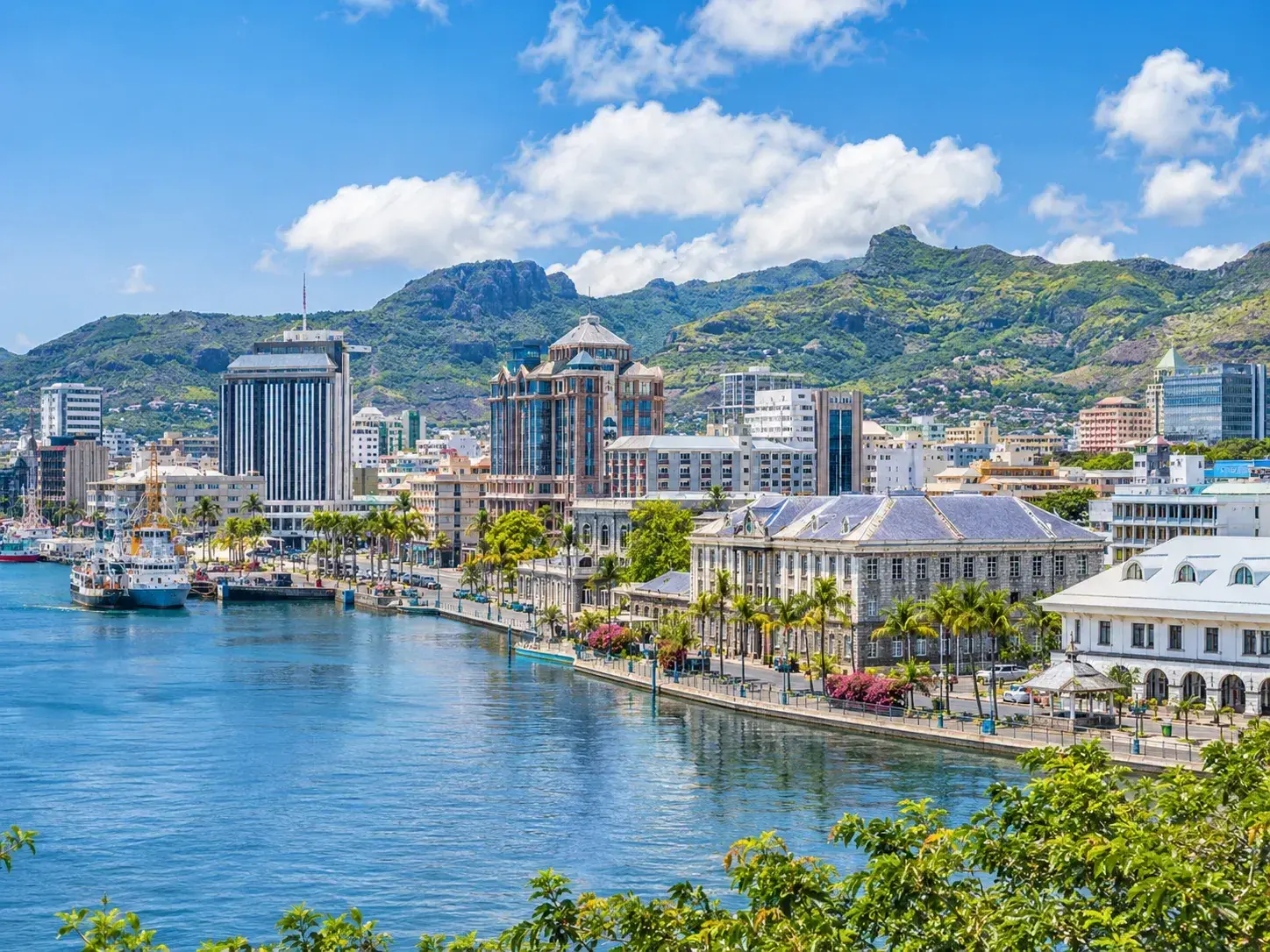 AI-generated image
Port Louis, a capital born of a harbour
Where to stay
Stay in Mauritius
Places to stay that are still available, with current prices, compared across the main booking platforms.