
Three days in the south-east, from Réunion
For a long weekend from Réunion, the wisest course is not to cross the island: the airport is in the south-east, and the south-east has enough to fill three days. An ebony islet, a marine park, the oldest inhabited site in Mauritius and a valley of native forest.
September 15, 2026
 AI-generated image
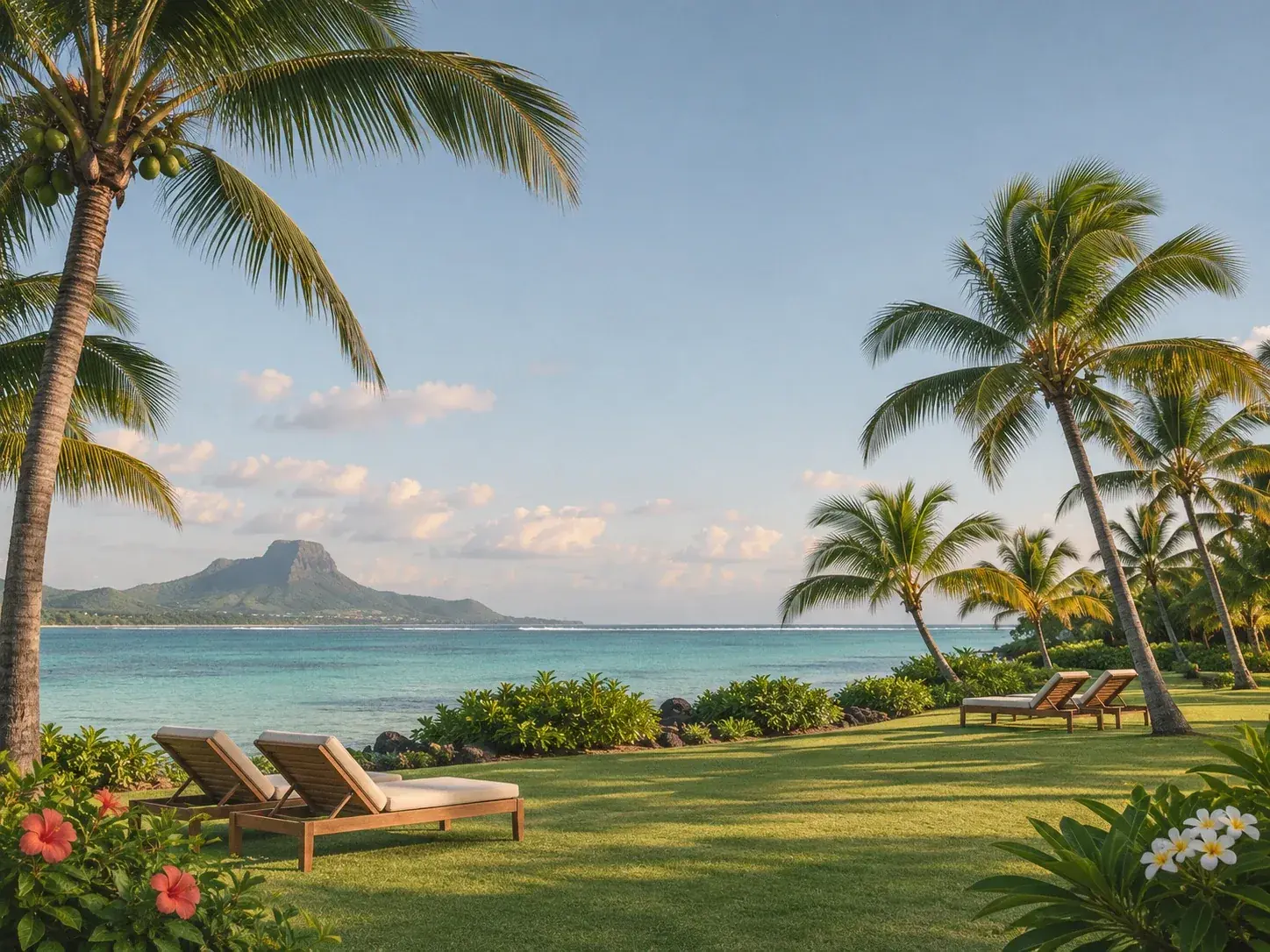
A long weekend leaves no time to criss-cross Mauritius. For travellers arriving from Réunion, the island’s geography is kind: Sir Seewoosagur Ramgoolam International Airport lies in the south-east, about twenty kilometres south-east of Curepipe, and the south-east has enough to fill three days without straying from it: the oldest inhabited site on the island, an islet protected as a nature reserve, a marine park, a valley of native forest. Air Mauritius, the national airline, counts Réunion among its destinations.
Sleeping near the airport, without seeing it
Two hotels stand ten minutes from the airport. The Preskil Island Resort, at Pointe Jérôme near Mahébourg, faces Île aux Aigrettes; it has no dress code and runs a kitesurfing and kitefoiling school. The Constance Le Chaland, on Le Chaland beach, south of Mahébourg, opened in 2019 under another name and has been run by the Mauritian group Constance since 5 February 2026; Blue Bay Marine Park begins at the edge of the grounds, within swimming distance. At Blue Bay, the Shandrani Beachcomber occupies a private peninsula of fifty-three hectares, with three beaches; its Mauritian restaurant, Le Sirius, serves facing the sea.
Day one: Mahébourg and Vieux Grand Port
The first day begins at Vieux Grand Port, the cradle of Mauritian history. The Dutch, who arrived in 1598, did not build Fort Frederik Hendrik there until 1638, and left the island in 1710. The French then settled there and, after 1753, put up a lodge, a prison, a bakery and a forge on the very ruins of the fort. The museum, opened in 1999, unfolds four centuries of occupation, from musket balls to clay pipes, and the walls of the lodge bear graffiti of ships. It is closed on public holidays, opens only at 11am on Wednesdays and closes at noon on Sundays, which dictates the order of the days.
The afternoon is spent in Mahébourg, whose public beach, about a hundred metres of seafront, is the village’s own. Trips in traditional sailing pirogues leave from Mahébourg: these boats belonged first to fishermen, and they are still used both for fishing and for racing.
Day two: an islet and a coral garden
In the morning, you set out for Île aux Aigrettes, a coral islet covered in ebony forest, made a nature reserve in 1965. It can only be visited with a guide, and the visit must be booked in advance. Here you look for rare plants, tortoises, and three rare birds: the pink pigeon, the Mauritius fody and the Mauritius olive white-eye.
The afternoon belongs to Blue Bay Marine Park, a protected marine reserve known for its garden of brain corals. You walk into the water from the beach, and a few steps are enough to spot wrasse, clownfish and angelfish; those who prefer to stay dry take the glass-bottomed boat. Blue Bay beach, public since 1940, is one of the busiest on the island: on public holidays, it is best to come early.
 AI-generated image
Day three: the Ferney forest, the wild coast
La Vallée de Ferney, north of Mahébourg, is a private estate of 3,100 hectares bordered by the Bambou mountain range, two hundred hectares of it native forest. Four waymarked trails range from five to eighteen kilometres, and each has its own latest start time: 2pm for the shortest, 10.30am for the longest, which is technical and graded difficult. Along the way you may see the Mauritius kestrel, the pink pigeon and the echo parakeet. Lunch is taken on the terrace of the estate’s lodge, from noon to 3pm, around seasonal produce from the Ferney farms. Access is restricted on certain dates between June and September: check before you come.
Late in the day, the south coast shows another face. At Le Souffleur, a jet of seawater shoots up like a geyser; close by, the Pont Naturel is an arch of volcanic rock spanning the waves over two metres, where the water whistles as it bursts out of the holes in the rock. People come here to watch the sea, not to swim in it.
The morning you leave
On the last morning, if the flight leaves late, La Vanille Nature Park, at Rivière des Anguilles, opens at 9am every day: more than a thousand Aldabra giant tortoises live there freely beneath the trees. Or, closer still, a last swim in the lagoon at Blue Bay. Either way, the airport is never far.
To book
Things to do from this article
- Book on GetYourGuide →
Guided hike · Mahébourg
Ascent of Lion Mountain, Mahébourg - Book on GetYourGuide →
Boat trip · Blue Bay
Blue Bay: glass-bottom boat and snorkelling - Book on GetYourGuide →
Diving and snorkelling · Blue Bay
Blue Bay: eco-tour and snorkelling for coral protection - Book on GetYourGuide →
Boat trip · Blue Bay
Half-day private motorboat trip from Blue Bay - Book on GetYourGuide →
Quad and off-road · Mahébourg
Quad excursion in the south of the island, Mahébourg - Book on GetYourGuide →
Boat trip · Blue Bay
Île des Deux Cocos: excursion with all-inclusive lunch
The addresses
Places mentioned
- Preskil Island ResortHotel · Mahébourg★★★★Book on Booking.com →
- Constance Le ChalandHotel · Le Chaland★★★★★Book on Booking.com →
Read next
- AI-generated image
A rainy day in Mauritius
 AI-generated image
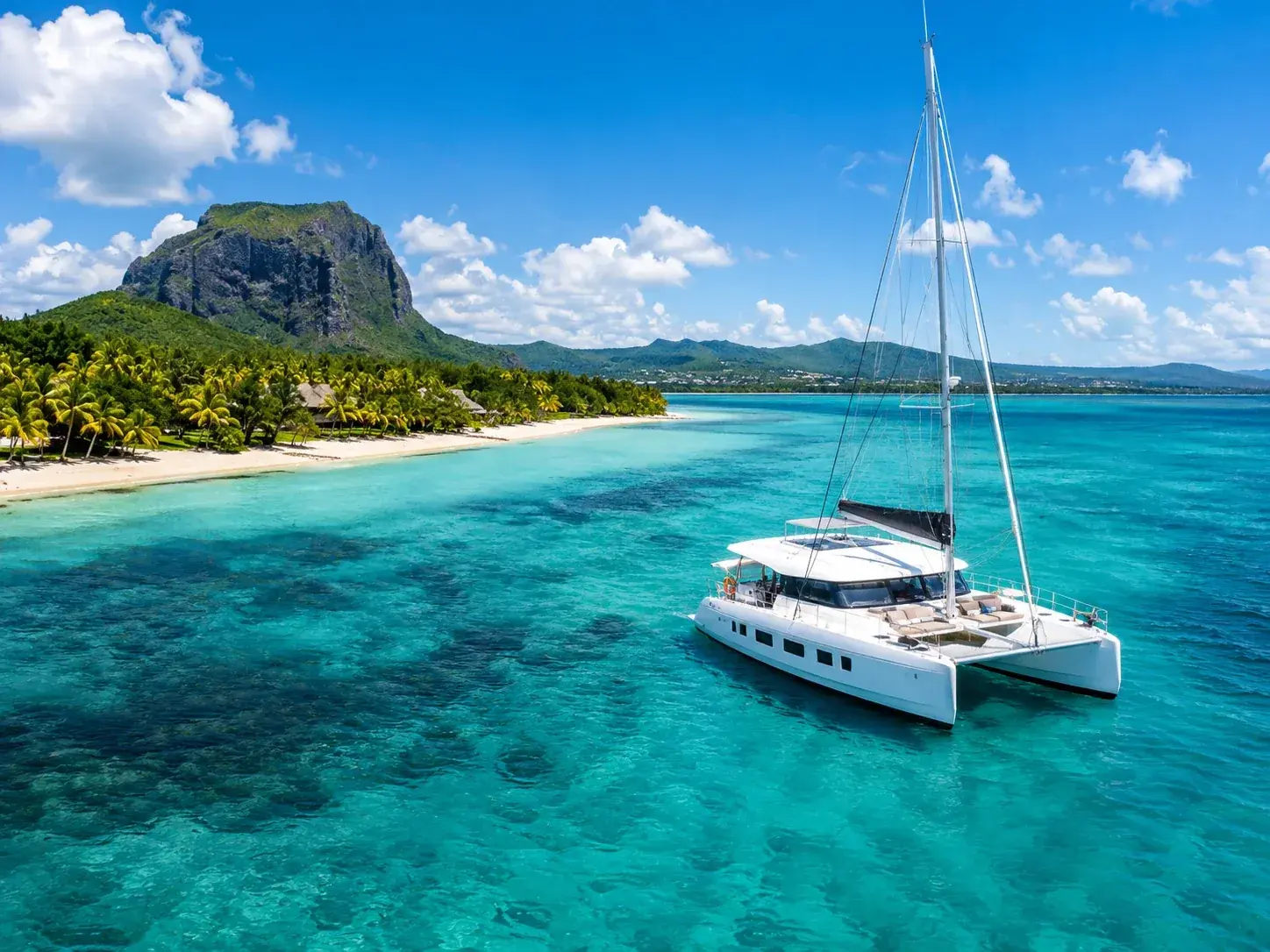
A week on the water
 AI-generated image
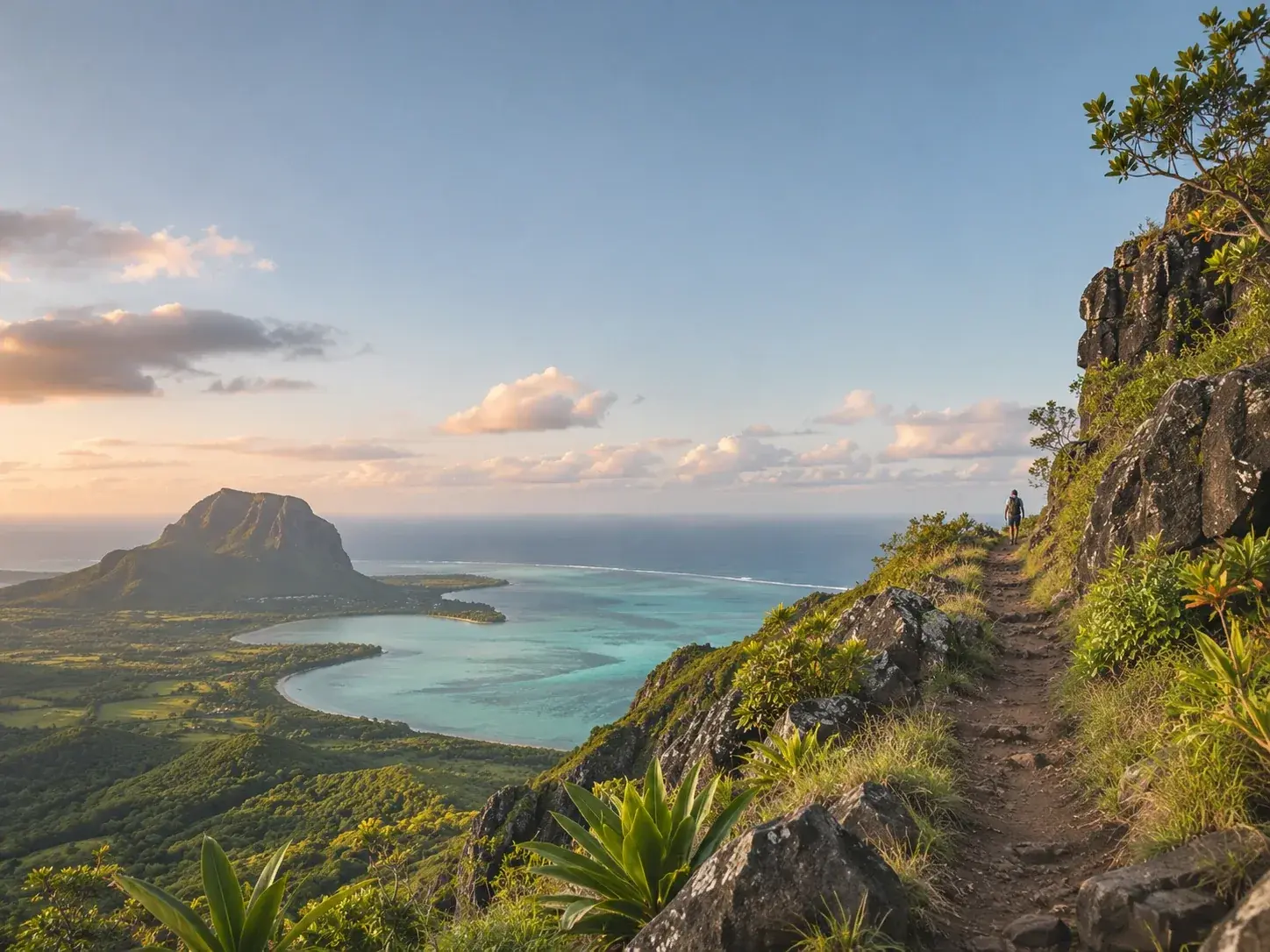
A week on foot
Where to stay
Stay in the south-east
Places to stay that are still available, with current prices, compared across the main booking platforms.