A lagoon for little swimmers
Behind the coral reef, the Mauritian lagoon often offers calm, shallow water where the youngest can paddle. You still need to choose the right beach, read the buoys and know the hours when the sun is less harsh.
September 6, 2026
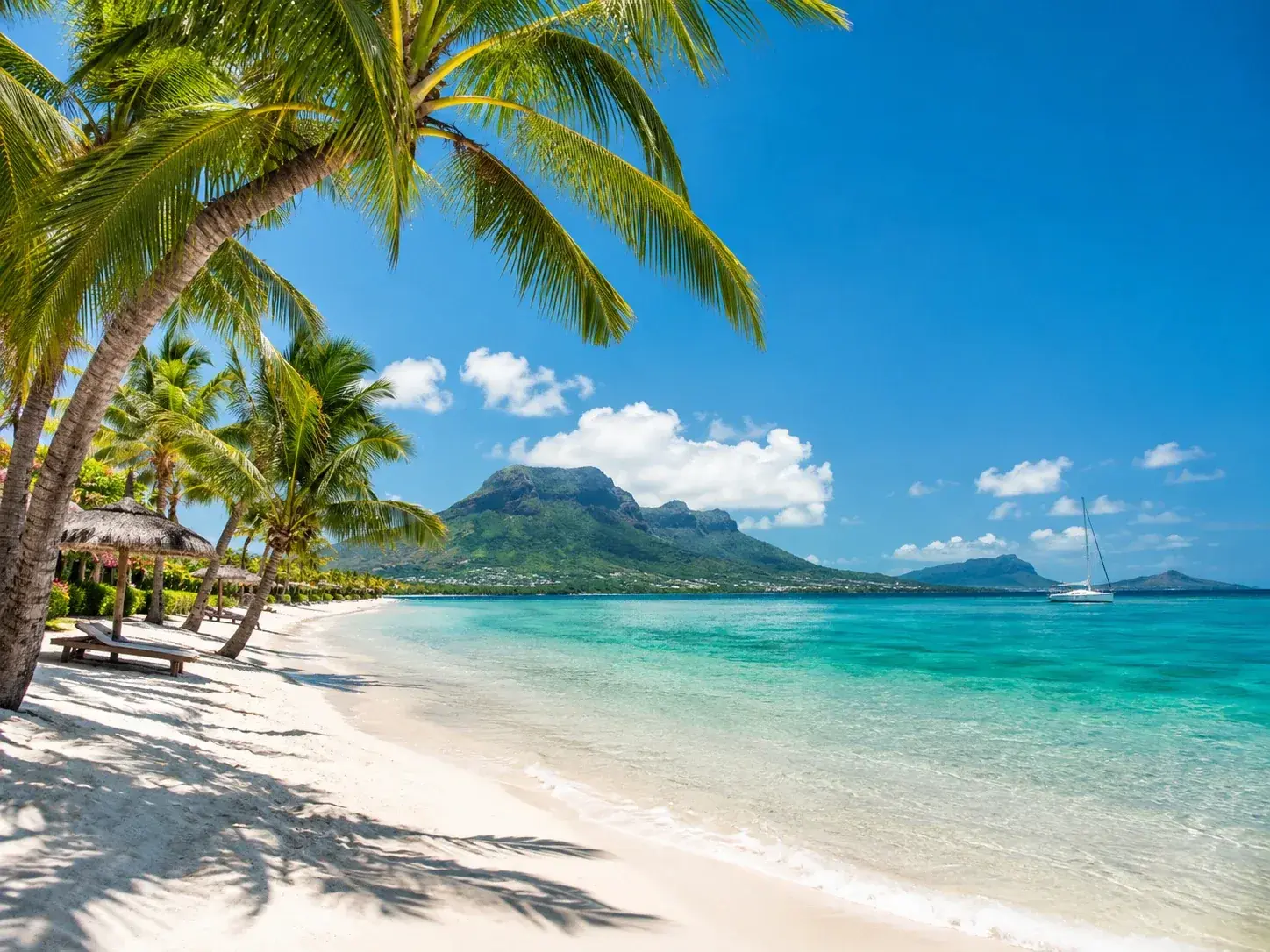 AI-generated image
For families, the lagoon is one of the great gifts of Mauritius. The island is ringed by a barrier of coral reefs, and behind it, on many beaches, the sea turns still, clear and shallow. The youngest find a playground there, while their parents keep an eye on them from the shade of the filaos. But not all beaches are equal, and a beautiful lagoon is no excuse for not choosing your shore or reading the sea.
Where the water is calm and shallow
In the south-east, Blue Bay is the very model of a family lagoon. The marine park that protects it is known for its calm, shallow and very clear waters. There is no need to go far: from the beach, a few steps into the water are enough to glimpse wrasse, clownfish, angelfish, corals and seagrass. Those who cannot yet swim board a glass-bottomed boat, which shows off the coral garden without anyone getting wet.
In the north, Mont Choisy offers a long shore of fine sand and calm, clear water, with all you need for a full day: open-air showers, picnic tables, a car park and a toilet block. The whole north coast, indeed, stands out for its flat, sandy beaches and tranquil waters.
In the south-west, La Prairie, near Le Morne, combines shallow waters with a mountain setting. In the west, Albion edges its golden sand with clear, calm water, and the beach has its own lifesaving group. Off the east coast, Île aux Cerfs tempts families with its clear, shallow water, protected by the reef; the northern tip is where the bustle is, and quieter corners can be found by following the island’s east coast beneath the filaos. The shuttle leaves every thirty minutes from Pointe Maurice, at Trou d’Eau Douce, from 9:30 to 18:00.
Beaches to avoid with young children
Some famous beaches are not suited to young swimmers. Gris Gris, at the southern tip, is not a swimming beach: the currents are strong and the waves immense. At Pomponette, on the same coast, the sea can be very dangerous, with extremely strong currents; Riambel, its neighbour, is safer. Saint-Félix is deceptive: the water is shallow near the shore, but the currents further out and the reefs reserve swimming for experienced swimmers.
Even on the busiest beaches, the sea has its traps. At Le Goulet, in the north-west, the police post lookouts on Easter Monday in front of dark patches of water considered dangerous for swimming. In 2017 the same vigilance covered areas unfit for swimming at Tamarin, Flic en Flac and Le Morne: a well-known beach is not safe along its entire length.
Reading the buoys and swimming zones
On a public beach, the Beach Authority may mark out a swimming zone with floats and yellow buoys. Around it, a ten-metre strip marked in red serves as a buffer zone. In either one, it is forbidden to operate a boat, a pedalo, a kayak or a surfboard. So it is there, between the yellow buoys, that children can swim with the greatest peace of mind. On the sand, dogs are allowed only on a lead no longer than two metres.
As for supervision, you need to know what exists and when. On Easter Monday, a rescue and patrol programme covers public beaches from 9:00 to 18:00, with lifeguards, police, firefighters, patrol boats and ambulances stationed on the major beaches: Mont Choisy, Pereybère, Belle Mare, Blue Bay, Flic en Flac or Le Morne. This arrangement is for that day alone: the rest of the time, parents’ vigilance is the first line of protection.
Sun, time of day and weather
The tropical sun is not to be taken lightly. Parents well practised in travelling on the island advise high-factor sun cream, a hat and sunglasses for young and old alike, and a swim early in the morning or late in the afternoon rather than at midday. A napping baby stays in the shade; never cover the pushchair with a muslin or a blanket, which would turn the inside into an oven.
The weather matters too. When the Meteorological Services issue a high waves warning, the advice is simple: avoid the beach and the sea. Thunderstorms break mainly from December to April; at the first rumble, get out of the water and head for shelter.
A beach for everyone
Public beaches are also opening up to children with disabilities. With associations and special schools, the Beach Authority organises floating beach wheelchair days, so that wheelchair users can get into the water. The 2026 calendar included a session at Belle Mare on 7 July for seventeen participants, then others at Mont Choisy, Saint-Félix and Flic en Flac through to December. Places are by registration, through the associations, with lifeguards on hand.
For the rest, the recipe for a successful day is simple: a beach with a calm lagoon, a marked swimming zone, shade, fresh water, and a return to the sand before the sun is at its highest.
Read next
- AI-generated image
Public beaches: the shore that belongs to everyone
- AI-generated image
The sea through the seasons
 AI-generated image
The islets, beaches out at sea
Where to stay
Stay in Mauritius
Places to stay that are still available, with current prices, compared across the main booking platforms.