Mask and snorkel, the reef within reach
In Mauritius, a few steps out from the sand are often enough to see the first clownfish. From the coral garden of Blue Bay to the waters around Coin de Mire, the beaches and islets where you can explore the lagoon with a mask and snorkel.
September 19, 2026
 AI-generated image
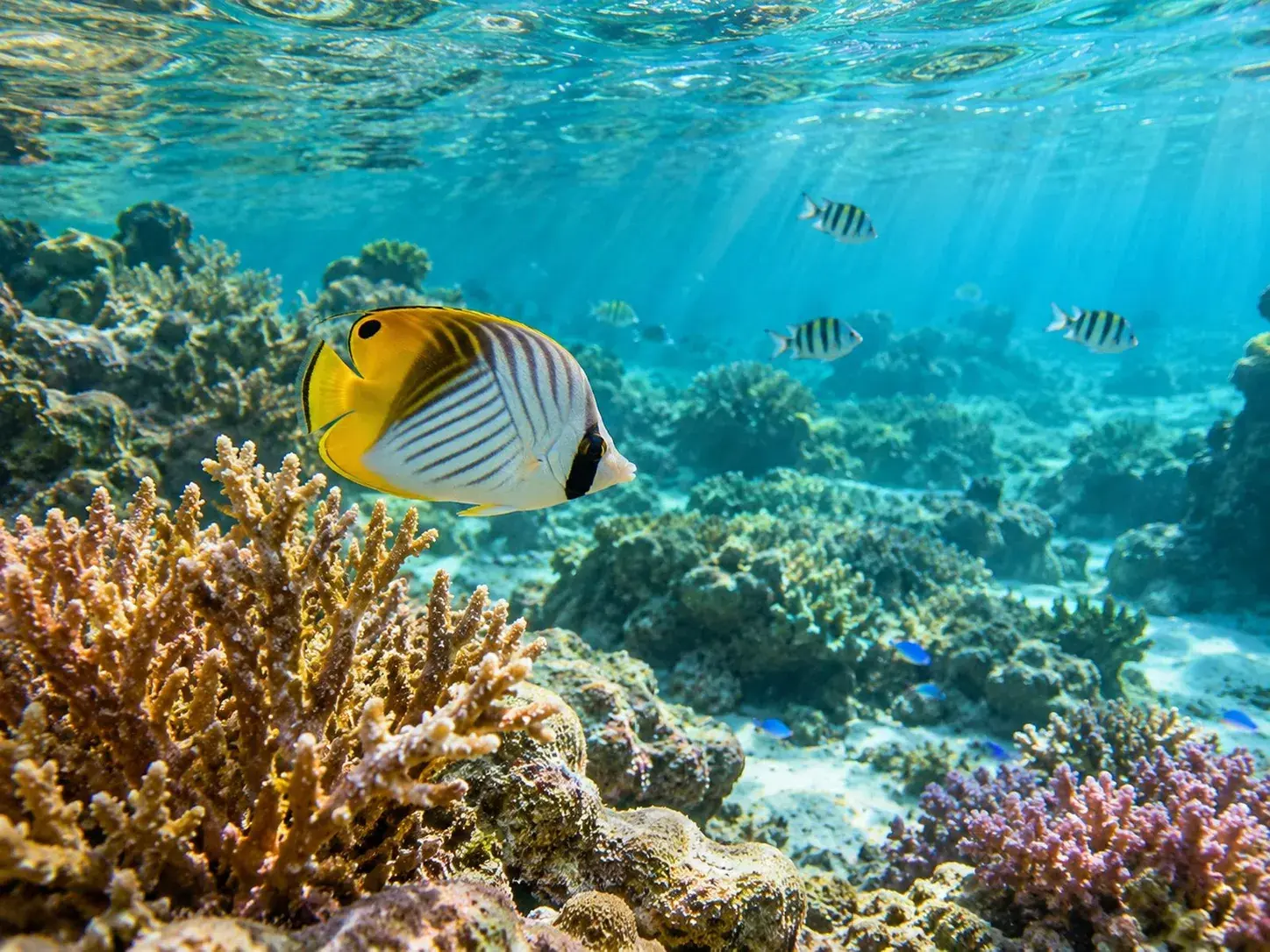
You do not always need a boat, or a tank, to discover the underwater world of Mauritius. The island rests on the Mascarene Plateau and is ringed by a barrier of coral reefs; between the reef and the beach, the lagoon on many coasts offers clear, tranquil water, where a mask and snorkel are enough to enter another world. You still need to know where to get in, and where not to.
Blue Bay, the coral garden
In the south-east, Blue Bay Marine Park is the benchmark. It is known for its underwater landscape and its coral garden, and its calm, shallow waters with excellent visibility make it one of the best places on the island for snorkelling. In the water, a garden of brain coral shelters butterflyfish and damselfish; turtles and dolphins sometimes appear.
The key point is that it all starts at the water’s edge. From Blue Bay public beach, open to all since 1940, you take a few steps and already see wrasse, clownfish, angelfish, corals and seagrass. For those who would rather stay dry, glass-bottomed boats tour the coral garden. In a marine park, you swim within the marked swimming zone, and you do not feed the fish.
 AI-generated image
In the north, from the shore to the islets
On the north-west coast, two beaches lend themselves to exploring straight from the sand. At Mont Choisy, the calm, clear water of the lagoon invites you to put your head under and discover a colourful marine world, and that is one of the beach’s reasons for being. At Trou aux Biches, you alternate snorkelling and diving, with diving schools close at hand, before stretching out facing the lagoon.
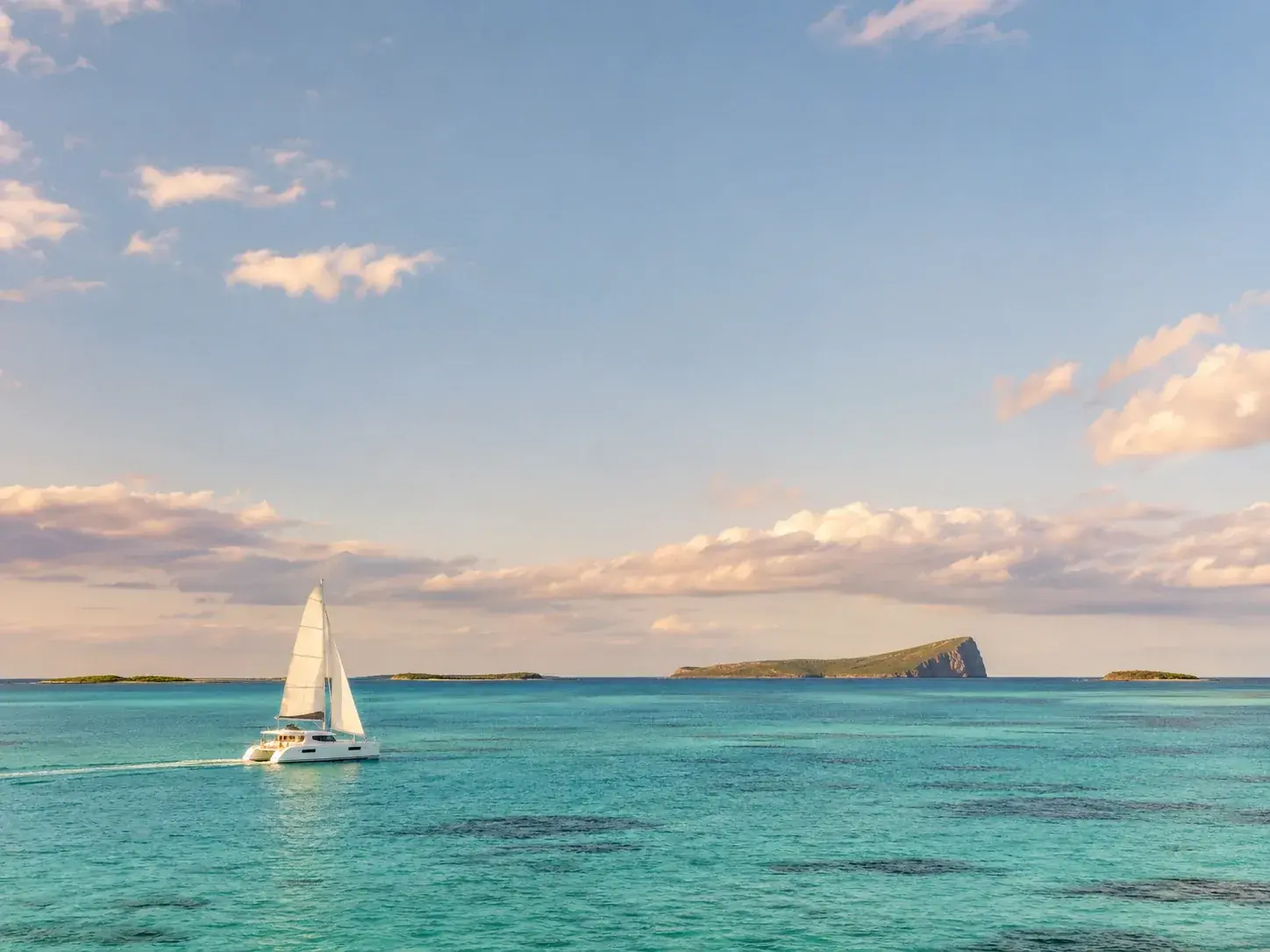
Further offshore, Coin de Mire is known for the quality of its underwater life. No one lands on this nature reserve with its orange cliffs, where tropicbirds and shearwaters glide: you slip into the water around it, from the boat. Damselfish and moray eels are seen here, and sometimes a turtle or a passing group of dolphins. Speedboats and catamarans take you there for the day, notably from Grand Baie.
West and south-west
On the west coast, Flic en Flac is for those who want to see marine life without diving: you can safely explore a warm lagoon and a coral reef, a few steps from the filaos. At Albion, further north, clear, calm water borders golden sand and is well suited to a snorkelling session.
In the south-west, La Prairie, near Le Morne, is a great snorkelling spot, with shallow waters in which to discover marine life. Offshore, in the lagoon, Île aux Bénitiers serves as a base for trips to Crystal Rock, a rock shaped like a giant clam that you reach with mask and snorkel across the lagoon. Kayaking offers another approach: you paddle along the coves, tie up in a sheltered inlet and slip into the water to see what lives beneath the hull.
The east and the south, with discernment
On the east coast, the large clear-water lagoons are on the whole well suited to swimming, snorkelling and diving. Belle Mare, one of the longest beaches on the island, lends itself to exploring marine life, whether you swim, snorkel or dive.
In the south, the Bel Ombre coast offers white-sand beaches and turquoise water ideal for snorkelling and swimming. But the same coast also has places to avoid. Gris Gris, with its strong currents and immense waves, is a beach neither for swimming nor for exploring underwater. At Saint-Félix, the water is shallow at the edge, but the currents further out and the reef reserve entry into the water for experienced swimmers.
Good practice
Summer, from November to April, is the most popular season underwater: its calm, warm waters attract varied and colourful marine life. You can get into the water all year round; in winter the breeze strengthens, particularly on the east and south coasts.
On public beaches, you swim in the zones marked by yellow buoys, where boats, pedalos and kayaks are not allowed. When a high waves warning is issued, give up on the beach and the sea. And if an excursion promises swimming with dolphins, it is bound by regulations dating from 2012: the operator must be licensed, swimmers are briefed to swim calmly and quietly, the animals are neither touched nor fed, and no more than three people go into the water at the same time, the designated lifeguard included.
Finally, in marine protected areas, damaging flora and fauna is prohibited: you set neither foot nor hand on the coral. The Mauritian lagoon is generous, provided you behave in it as a guest.
To book
Things to do from this article
- Book on GetYourGuide →
Boat trip · Blue Bay
Blue Bay: glass-bottom boat and snorkelling - Book on GetYourGuide →
Diving and snorkelling · Blue Bay
Blue Bay: eco-tour and snorkelling for coral protection - Book on GetYourGuide →
Diving and snorkelling · Grand Baie
Coin de Mire: two-hour private snorkelling trip - Book on GetYourGuide →
Boat trip · Trou d’Eau Douce
Speedboat cruise to five islands: snorkelling, lunch and open bar - Book on GetYourGuide →
Diving and snorkelling · Belle Mare
Discover scuba diving at Belle Mare - Book on GetYourGuide →
Boat trip · Trou d’Eau Douce
Speedboat excursion around the five islands with snorkelling and barbecue
Read next
 AI-generated image
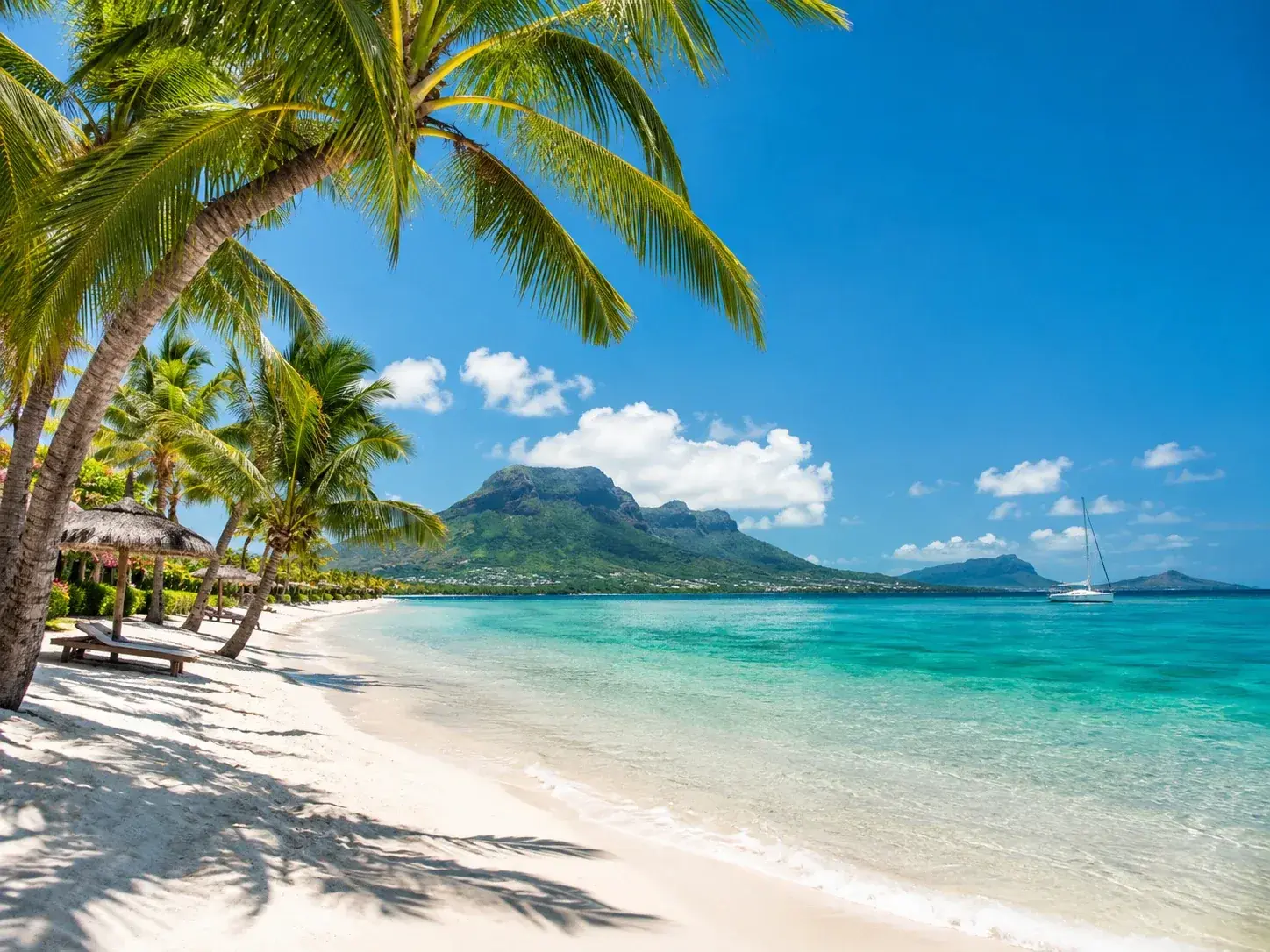
Public beaches: the shore that belongs to everyone
- AI-generated image
The sea through the seasons
 AI-generated image
The islets, beaches out at sea
Where to stay
Stay in Mauritius
Places to stay that are still available, with current prices, compared across the main booking platforms.