
The indentured, the other crossing
After abolition, hundreds of thousands of contract workers landed in Port Louis, most of them from India. Their story is held in registers, sugar estate camps, a quarantine island and necklaces of gold coins.
September 9, 2026
 AI-generated image
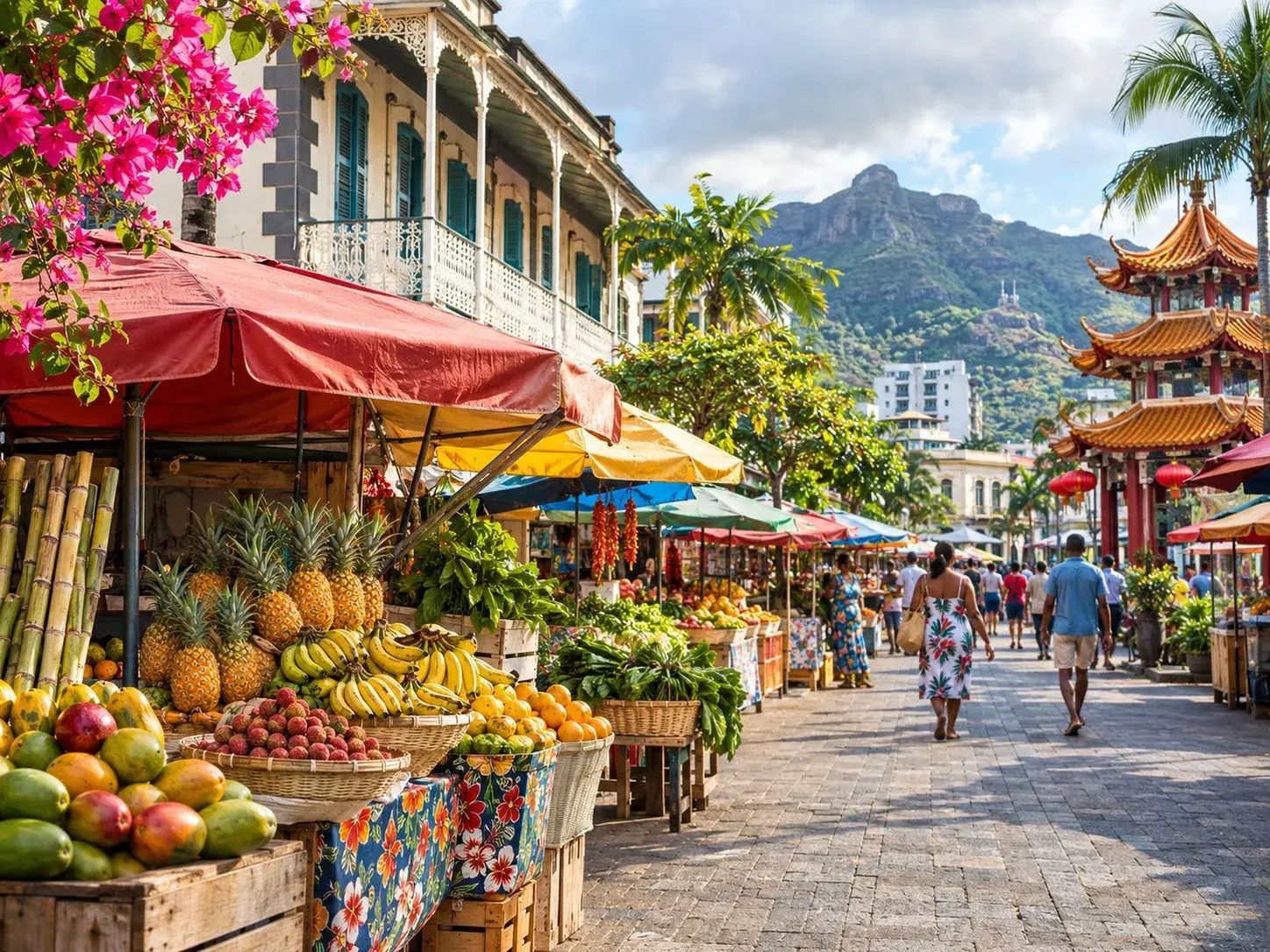
Every 2 November, Mauritius observes a public holiday to commemorate the arrival of indentured labourers. The date recalls a migration that changed the island’s population more than any other. Between 1834 and 1920 more than 457,000 indentured labourers from India, China, the Comoros, Madagascar, Mozambique and South-East Asia arrived in Mauritius, to work on the sugar plantations or to be sent on to Réunion, Australia, southern Africa and East Africa.
A contract in place of chains
Indenture was born of abolition. Deprived of slaves, the planters turned to India, and the British government made Mauritius the first testing ground of an experiment: to show that “free” labour, governed by a contract, could replace slave labour in a plantation economy. The success of the experiment led other colonial powers to adopt it from the 1840s.
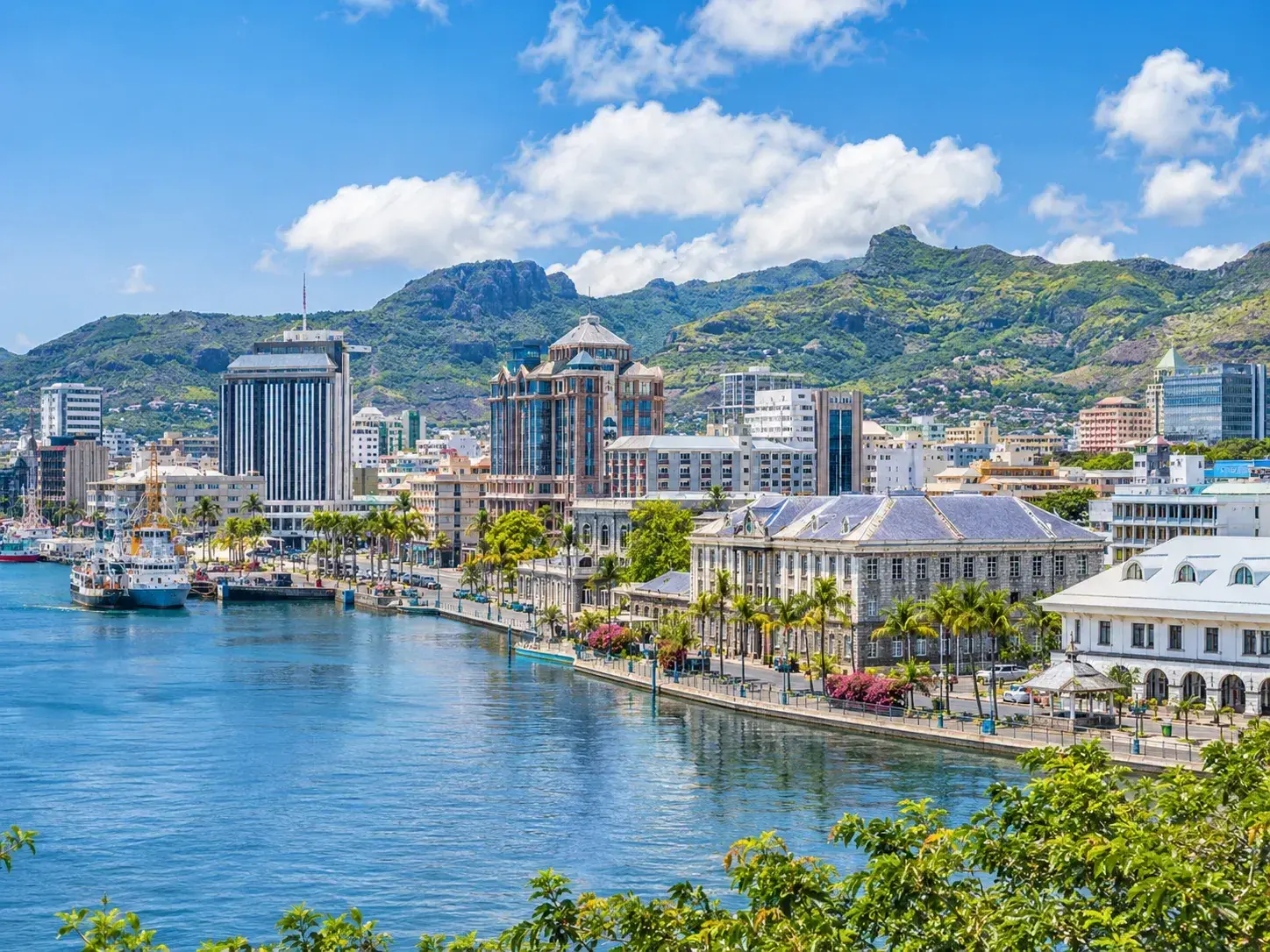
In Port Louis, reception was gradually organised. In 1844 a rice warehouse near the harbour took in the new arrivals on a temporary basis. The Immigration Depot, built in 1849, then received them, registered them and assigned them to the sugar estates. It also housed the office of the Protector of Immigrants, who oversaw returns home, registered land bought by immigrants and issued their marriage certificates. The years from 1849 to 1866 saw the greatest influx; from 1867 immigration declined, and the depot was slowly converted into government offices.
 AI-generated image
Flat Island, the first stop
For many, Mauritian soil began with quarantine. The stone buildings on Flat Island were put up between 1856 and 1870 to isolate indentured labourers who had just arrived from India at Port Louis and were suspected of carrying a contagious disease. From the 1850s to the early twentieth century, thousands of indentured and former indentured labourers were quarantined there, and several hundred died there. The island also received liberated Africans, British soldiers and Chinese workers. Elsewhere in the world of indenture, other islands played the same role: Nelson Island off Trinidad, Nukulau off Fiji.
Life on the estates
The sugar camps tell the rest of the story. At Trianon, the estate founded in 1803 by Martin Moncamp brought in its last harvest in 2003, two centuries later; several nineteenth-century buildings linked to sugar and indenture survive there. On these estates, indentured labourers went on speaking the languages of their homeland, cooking its dishes, praying to its gods, singing its songs and celebrating its ceremonies. At Forbach, one of the few estates in the colony to crush its cane by windmill until the mill closed in 1852, some 405 indentured labourers were at work in 1872, many of them having signed on again; the camp and its barracks, the mill tower, the chimney and the reservoir are still standing. At Union Vale, formerly Mare du Tabac, a chimney, the ruins of the sugar mill, barracks and a canal remain.
The contract had its reverse side. Nineteenth-century law regarded as a vagrant anyone without a valid pass, a fixed abode or an employment contract, and an indentured labourer who had left his employer was treated as a deserter. Between 1864 and 1886 tens of thousands of vagrants, Indian or not, were locked up in the depot at Grande Rivière Nord-Ouest, on the road to Pointe aux Sables, which closed in 1886. Its boundary wall and entrance gate remain.
Indians had not, in any case, waited for indenture to work on the island. From the 1810s to the 1840s, Indian convicts built and repaired the roads, bridges, canals and public buildings of Port Louis and its suburbs; from 1830 a barracks at Parc-à-Boulets was set aside for them.
Keeping the record
The names, at least, have been kept. The Indian immigration archives, entrusted to the Mahatma Gandhi Institute in 1978, hold nearly 2,055 registers covering some 454,000 Indian indentured labourers who arrived in Mauritius from 1842 to 1910. They have been on UNESCO’s Memory of the World Register since 2015. To trace an ancestor, one needs the ancestor’s name and immigrant number, which appear on the birth certificate of the first descendant born in Mauritius.
Memory is held in objects, too. Indentured labourers turned their savings into sovereigns, gold ones called guirnis or silver ones called haïkaals. Strung into necklaces, guirnis are still worn and accompany the rites of birth, marriage and funerals. At the Mahatma Gandhi Institute, the folk museum of Indian immigration has a permanent exhibition devoted to those who championed the immigrants’ cause: Adolphe de Plevitz, Mahatma Gandhi and Manilal Doctor, who arrived in Mauritius in 1907. The Bhojpuri geet gawai has been inscribed as intangible cultural heritage of humanity since 2016. And since 2014, with UNESCO’s support, Mauritius has led the Indentured Labour Route Project, which aims to bring together all the countries touched by this migration of contract labour.
Read next
- AI-generated image
Aapravasi Ghat and Le Morne: two places that explain the island
- AI-generated image
Since 1992, the Republic of Mauritius
- AI-generated image
12 March 1968, independence day
Where to stay
Stay in Mauritius
Places to stay that are still available, with current prices, compared across the main booking platforms.