Sunday at the beach, the Mauritian way
On weekdays, the beach is a place to read in peace; at the weekend, it fills with families, music and picnics. What you see beneath the filaos, and the rules that allow everyone to share the sand.
October 2, 2026
 AI-generated image
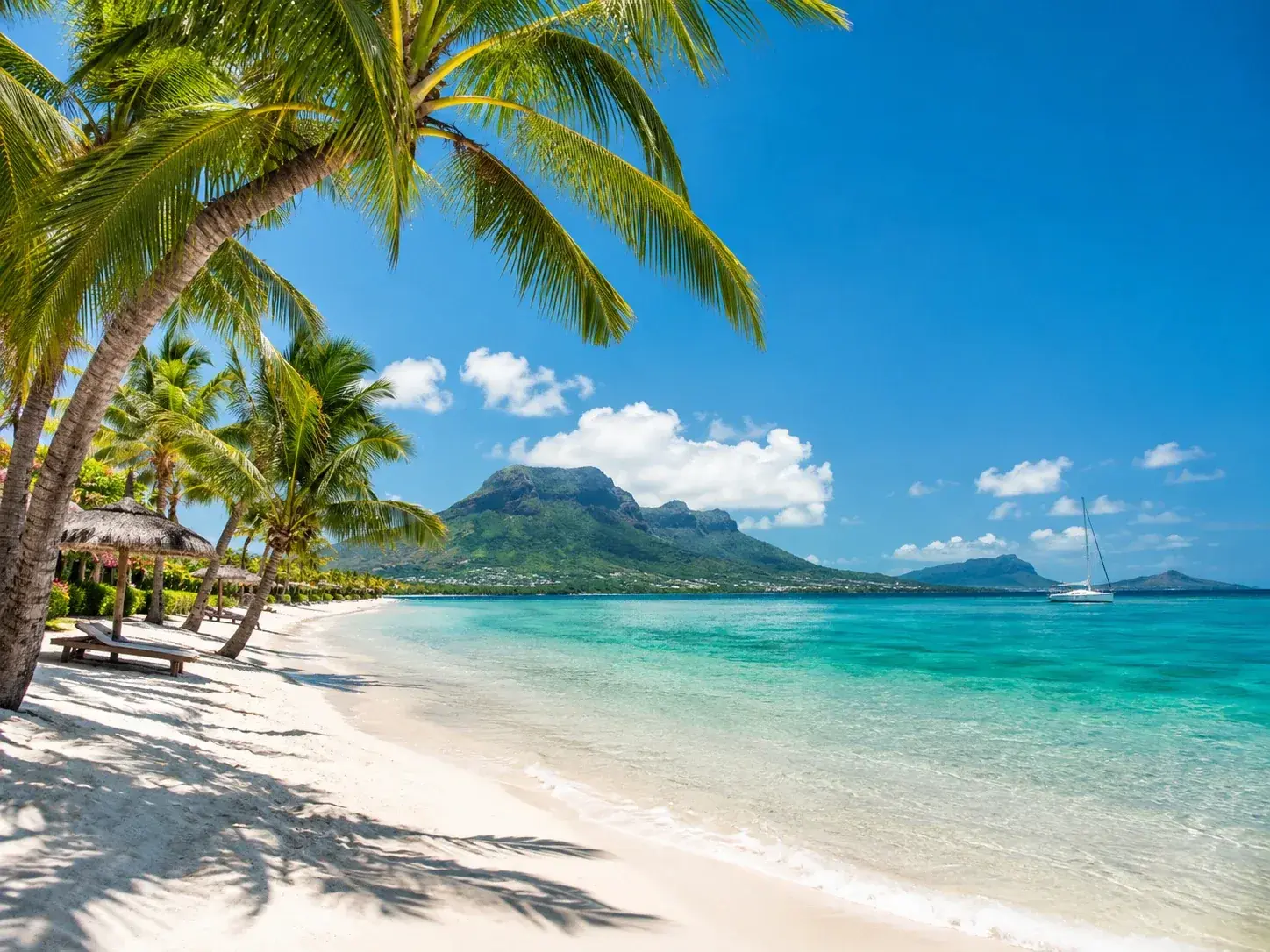
You need only visit Blue Bay twice, once on a Tuesday and once on a Sunday, to understand that one Mauritian beach can hide two. During the week, people settle in the shade of the filaos with a book, in peace and quiet. At the weekend, Mauritians arrive with music and picnics, and the beach changes pace. A visitor who wants to know the island would do well to live that Sunday at least once.
Beneath the filaos
The filao, which other countries call the casuarina, lines Mont Choisy, Trou aux Biches, Flic en Flac, Belle Mare and Blue Bay, and it is in its fine shade that people settle for the day. It is also watched over. At Telfair, in 2025, a leaning filao at the entrance to the beach had to be felled on the advice of the forestry service, which attached a condition to its approval: replant three times the number of trees cut down.
Around the trees, the beaches have gradually been equipped for these long days. Mont Choisy has gained picnic tables, open-air showers and a car park. La Cambuse, in the south-east, offers the shade of its trees and benches for lunch facing the lagoon. In Bras d’Eau National Park, next to Poste Lafayette beach, picnic tables have been set out for families.
People also eat what the vendors sell. At Blue Bay as at Flic en Flac, street food stalls serve the bathers; at Mont Choisy, a woman stacks her pineapples, mangoes and jamalacs under the trees, the pineapple being eaten here with a touch of chilli. On a public beach, only traders holding a licence issued by the Beach Authority may sell, and those who hire out mattresses and parasols obtain one for a single beach only, with a limited number of items and the obligation to keep the way clear.
 AI-generated image
The beaches people choose
Every family has its beach. Some Mauritians name Rivière des Galets, on the south coast, for its calm: you bring your chair and read, surrounded by families at rest, to the sound of the waves and a light breeze. Others go to Albion, where one fishes while the other swims, or to Blue Bay, because it is close and you simply sit on the sand to enjoy the water.
There are also the dates that fill the beaches. Easter Monday is one: in 2017 as in 2025, the Beach Authority organised a rescue and patrol programme from 9:00 to 18:00, with lifeguards, police, the coast guard, firefighters and ambulances stationed on the major beaches. In 2025, water tankers were to top up the toilet blocks at the busiest beaches, Pereybère, Mare la Raie, Bain Boeuf, Mont Choisy, Belle Mare, Le Morne, La Preneuse, Wolmar, Albion, Poste Lafayette, Sable Noir, Blue Bay, La Cambuse and Flic en Flac, and cleaning companies were to work before, during and after the day.
Festivals, too, are celebrated by the water. For Ganga Asnan, on 27 November 2023, the Beach Authority reminded the public that only licensed traders could sell on the sand and asked people to keep the beaches clean. For Ganesh Chaturthi, on 15 September 2026, it authorised immersion ceremonies on public beaches, as in previous years, subject to conditions, notably on noise.
The rules of sharing
So that so many people can share the same sand, a set of regulations from 2004 lays down a few simple principles. Fires may be lit only in places designated by the Beach Authority, and are never left unattended until they are out. Rubbish goes in the bins and skips provided. Football and volleyball may be played only in the areas set aside for them, and no vehicle, bicycles included, may be driven or parked on the beach outside designated places. Dogs are allowed on a lead no longer than two metres, and riding a horse on a public beach requires permission.
Large gatherings follow another rule. A public gathering, a party, a show or any activity to which the public is invited requires permission from the Beach Authority, applied for at least twenty-one days in advance. It may be granted against a deposit of 3,000 rupees and a fee of 1,000 rupees a day, which the Authority may waive. Offenders face a fine of up to 10,000 rupees and up to a year’s imprisonment.
Doing as the Mauritians do
For the visitor, the lesson is twofold. First, the public beach on a Sunday is no stage set: it is a place where life is lived, where people come as families, eat and listen to music, and you have to accept being one guest among others. Second, the week offers the exact reverse of this picture: the same beaches, quieter, in the shade of the same filaos.
One last detail, not without irony: the Beach Authority’s offices are open Monday to Friday and close at weekends and on public holidays. The sand never closes.
The addresses
Places mentioned
Read next
- AI-generated image
Public beaches: the shore that belongs to everyone
- AI-generated image
The sea through the seasons
 AI-generated image
The islets, beaches out at sea
Where to stay
Stay in Mauritius
Places to stay that are still available, with current prices, compared across the main booking platforms.