Sugar cane, the plant that made the island
Introduced by the Dutch, revived by Labourdonnais, worked by slaves and then by indentured labourers, sugar cane shaped Mauritius. It still covers a large part of the island, and it no longer yields sugar alone.
October 20, 2026
 AI-generated image
To cross Mauritius is to cross cane fields. They line the roads, cover the plateaux and, in the south, run down to the edges of the beaches. No plant has left a deeper mark on the island. For two centuries cane shaped its economy, but also its population, its landscapes, its mentality and a large part of its culture.
A plant that came with the Dutch
The first cane plant was introduced in 1639, after the arrival of the first settlers, the Dutch. Its cultivation was abandoned when they left the island, having judged living conditions too harsh to establish a viable colony. They left in 1710; to them the island owes the introduction of sugar cane, domestic animals and deer.
The French took the island in 1715 and at first favoured other crops: indigo, coffee, ebony. Not until the 1740s did cane take off, driven by Governor Mahé de Labourdonnais, who truly launched the sugar industry in 1743. Under the French, the number of slaves brought from Africa and Madagascar grew, and cane became a prosperous industry.
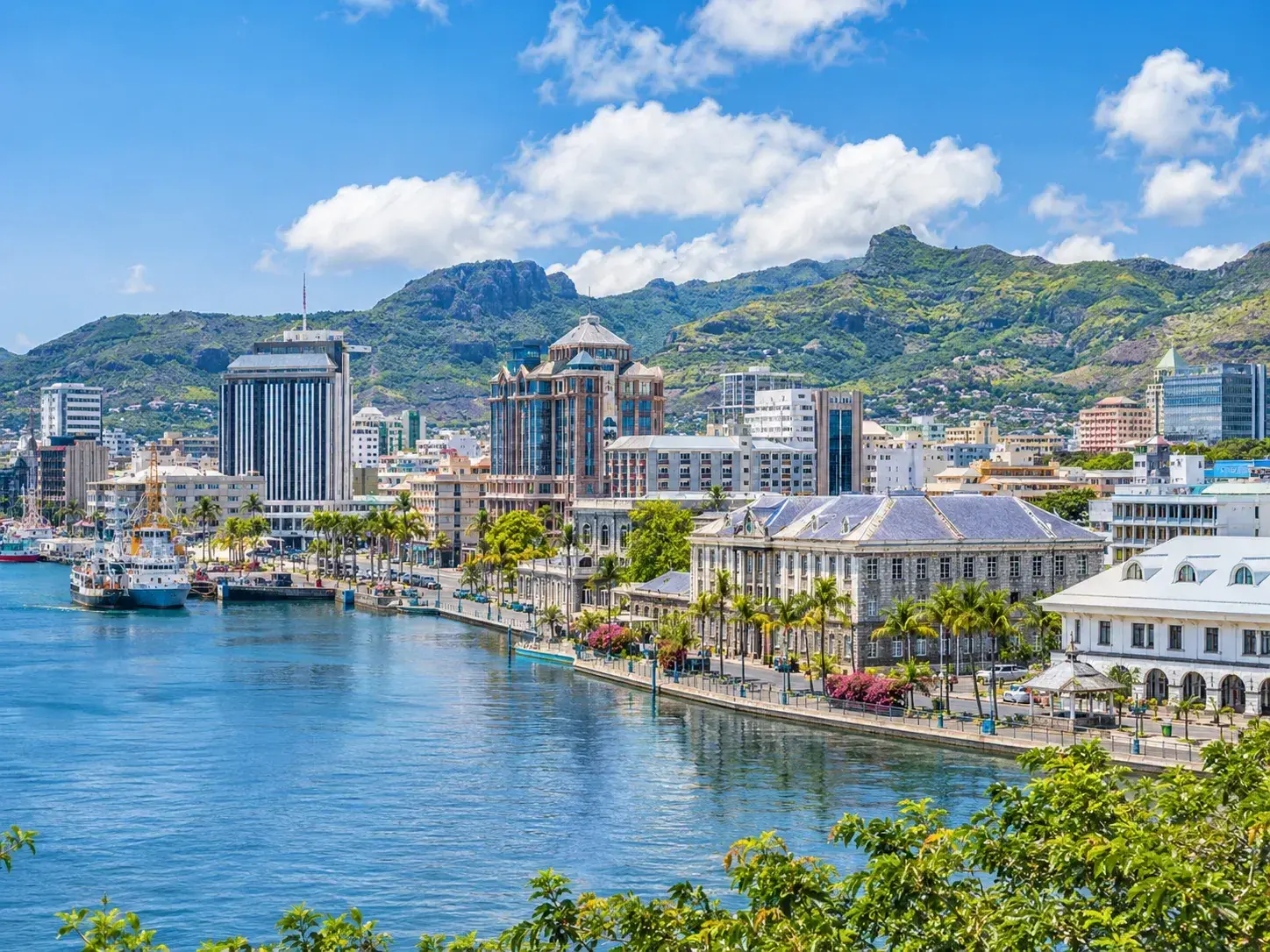
The British, masters of the island from 1810, abolished slavery in 1835. Planters then had to find a new workforce. The colonial administration brought in indentured labourers, the vast majority from India, but also from China, the Comoros, Madagascar, Mozambique and South-East Asia. More than 462,000 landed at Port Louis up to 1914, recruited for the cane plantations. It was one of the largest waves of migration in the country’s history, and it made Mauritius the multicultural island it is today. Sugar, exported to England, secured the colony’s prosperity. In 1856, the Cavendish Bridge, at the entrance to Mahébourg, was built to carry cane.
 AI-generated image
Two hundred and fifty factories, then three
In the nineteenth century the island had nearly two hundred and fifty sugar factories. Today it has only three, all highly modern. The sugar sector has become a cane industry, no longer content to produce sugar alone. In 2025, cane still covered 33,805 harvested hectares. Planters farmed 21,303 of them, the large estates 12,138, and a few sharecroppers the rest. The harvest reached 2,321,704 tonnes of cane, or 68.68 tonnes per hectare, and 220,305 tonnes of sugar. On average, 10.53 tonnes of cane were needed for one tonne of sugar.
Raw sugar is no longer exported. The factories produce a plantation white sugar, destined for the island’s two refineries, and special sugars, which amounted to 132,380 tonnes in 2025. These unrefined sugars, naturally amber, are made from cane juice, without refining or additives, and develop notes of honey, vanilla or liquorice. They have become one of the island’s best-known products. Since 23 June 1980, they have passed through the Les Salines sugar terminal in Port Louis, whose two warehouses of 175,000 tonnes each are built to withstand cyclonic winds of 300 kilometres per hour.
Nothing in the cane goes to waste
Crushed cane leaves a fibrous mass, bagasse. Burned in the thermal power stations attached to the sugar factories, it produces steam and electricity; the surplus supplies 20 per cent of Mauritius’s energy needs. Molasses, the syrupy residue of crystallisation, becomes rum, cattle feed or bioethanol. Filter mud, distillery vinasse and bagasse ash go back to the fields as natural fertiliser, and the cane straw covers the soil, feeds it and keeps weeds down. Cane is replanted only about every seven years, which spares the land and protects it from erosion.
Research goes hand in hand with the industry. The Mauritius Sugarcane Industry Research Institute, part of the Mauritius Cane Industry Authority, runs its trials at four experimental stations representative of the island’s agro-climatic zones, with one constant aim: to produce more sugar, and better, from every hectare.
 AI-generated image
Beau Plan, the sugar factory turned museum
To understand all this, go to Beau Plan, in the Pamplemousses district. L’Aventure du Sucre occupies a former sugar factory there, closed in 1999 after two hundred years of activity and opened to the public in 2002. Across 5,000 square metres, ten themed spaces tell the island’s history through sugar, from the arrival of the first settlers to the abolition of slavery, indenture and today’s circular economy. The machinery has stayed in place: giant cane mills, evaporators like organ pipes, a twentieth-century boiler, a nineteenth-century steam engine, a cast-iron barge at the quay and a locomotive from 1922.
On Wednesdays at 10.30am, except on public holidays, visitors go out into the fields with the cane cutters, cut their own stalks, press them and taste the fresh juice. The visit ends with a tasting of twelve of the island’s unrefined sugars, and at a restaurant, Le Fangourin, named after the first juice drawn from the cane. The museum is open Monday to Saturday, public holidays included, from 10am to 4pm. In Mapou, the Château de Labourdonnais also keeps the chimney of its former sugar factory, a reminder of an estate where the first mill was built after 1814. All over the island, the cane is still there, at head height, by the side of the road.
To book
Things to do from this article
- Book on GetYourGuide →
Museum · Pamplemousses
L’Aventure du Sucre, with rum tasting - Book on GetYourGuide →
Day tour by car
Temples, sugar museum and beach - Book on GetYourGuide →
Day tour by car · Pamplemousses
Tour of the north: botanic garden, sugar museum and rum tasting
The addresses
Places mentioned
- Le FangourinRestaurant · Beau Plan
Read next
- AI-generated image
Lychees, pineapples and jamalacs: the markets of Mauritius
- AI-generated image
Nutmeg, clove and vanilla: the spice island
- AI-generated image
Bois Chéri and the Tea Route
Where to stay
Stay in Mauritius
Places to stay that are still available, with current prices, compared across the main booking platforms.