Mahébourg and the south-east, where history came ashore
The first settlers set foot on this bay, two squadrons clashed here in 1810, and the Blue Bay lagoon still keeps its coral garden. The south-east of Mauritius is explored in a mask and in walking boots alike.
August 22, 2026
 AI-generated image
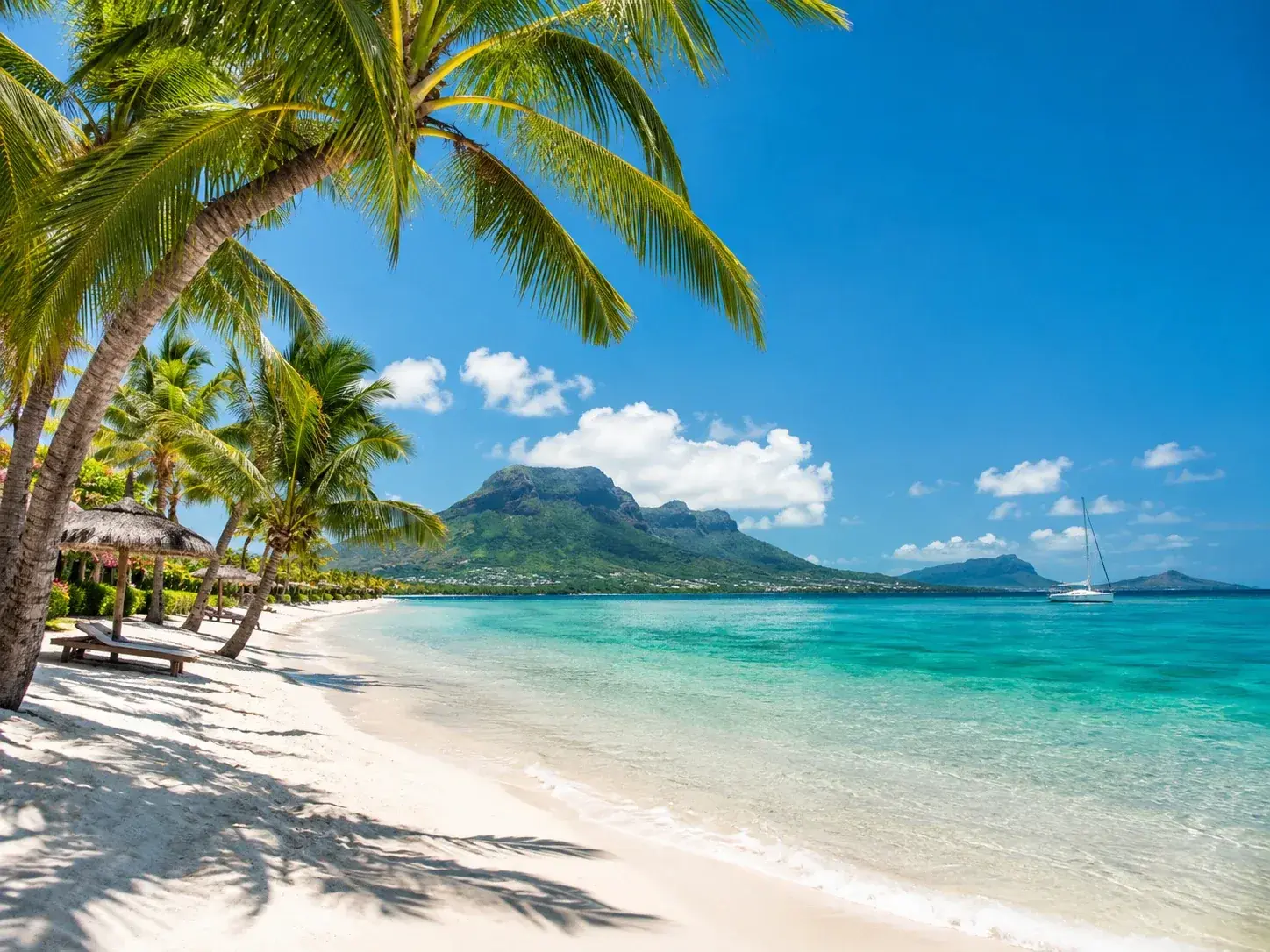
It is in the south-east of Mauritius, at Plaine Magnien, that the international airport lies, and it is here that those arriving by air first set foot on the island. Around the wide bay of Grand Port, beneath Lion Mountain and the Bamboo Mountains, are gathered the oldest sites of Mauritian history, one of the island’s best lagoons for snorkelling, and native forests open to walkers.
Vieux Grand Port, the cradle
The Dutch discovered the island in 1598 and named it after Maurice of Nassau, stadtholder of the Netherlands. They did not settle until 1638, when they built Fort Frederik Hendrik on the shore of this bay, and they left the island for good in 1710. The French, who took possession of Mauritius in 1715, set up their government on the same site in 1722, before moving their administration to Port Louis and turning Vieux Grand Port into a military post. In 1806 the post moved to a new town, Mahébourg, and the site was abandoned.
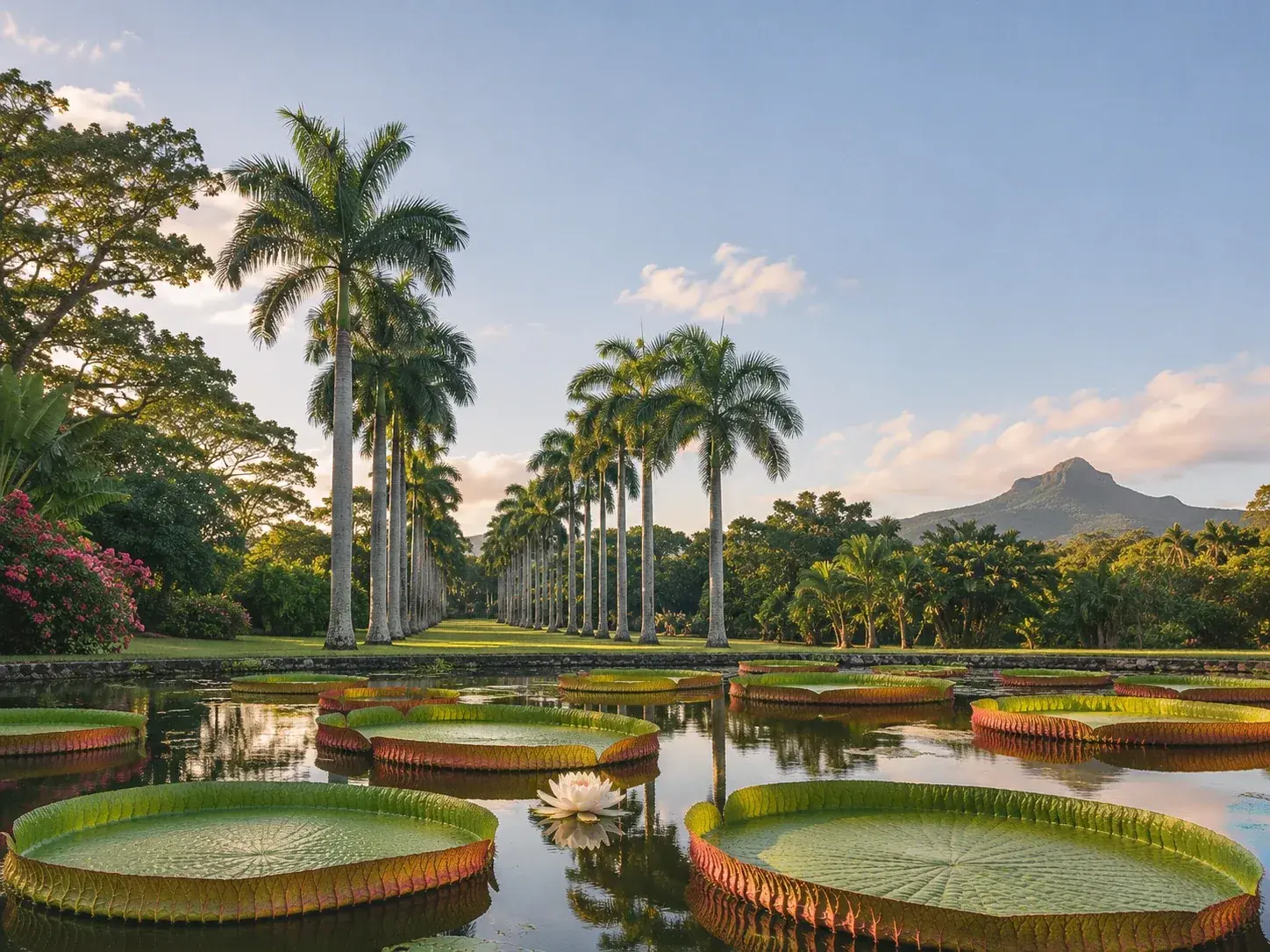
What stands above ground today is French, built after 1753 on the very ruins of the fort: a lodge, a prison, a bakery, a forge, and, on the walls of the lodge, graffiti of ships from the eighteenth and nineteenth centuries. The Dutch remains, uncovered in 2000, lie fifty centimetres below the surface. The site extends as far as the ruins of the island’s first Catholic church, founded in 1737 by Mahé de Labourdonnais. The Frederik Hendrik Museum, opened on 27 May 1999, tells its four centuries of history through musket balls, clay pipes, coins and the remains of meals that include dugong and turtle. Admission is free; the museum opens on weekdays and Saturdays from 9am to 4pm, on Wednesdays from 11am, and on Sunday mornings.
 AI-generated image
Mahébourg and the battle of 1810
The bay overlooked by Lion Mountain saw, in 1810, the Battle of Grand Port between the British and French squadrons. In Mahébourg, the Château Gheude, a colonial country house built around 1772 on the bank of the La Chaux River, keeps the most singular memory of that fighting: it was in one of its wings that the two commanders of the opposing squadrons, both wounded, were tended side by side. The house, listed as national heritage, is home to the National History Museum, in grounds of around five hectares. Its collections run from the Portuguese discovery at the beginning of the sixteenth century to the end of the nineteenth, and include an astrolabe of 1568 recovered from the wreck of the Banda, the third-oldest Portuguese astrolabe known; the museum has been closed for renovation since 15 December 2025.
Mahébourg keeps a village seafront, with a hundred or so metres of public beach, and its lively markets alone are worth the detour. To climb higher, the ascent of Lion Mountain, with a guide from the area, gives an overall view of the lagoon. At the foot of the mountain, at Ferney, a memorial marks the first Dutch landing.
Blue Bay and Île aux Aigrettes
South of Mahébourg, Blue Bay is one of the island’s oldest public beaches, open to all since 1940: 4.8 hectares and 400 metres of shoreline, in the shade of casuarinas, quiet during the week and lively at weekends, when Mauritians come to picnic to music. Offshore lies Blue Bay Marine Park, renowned for its garden of brain corals crowded with butterflyfish and damselfish. The water is calm, shallow and very clear: a few steps from the beach are enough to see wrasses, clownfish and angelfish, and those who would rather stay dry board a glass-bottom boat.
Off the coast, Île aux Aigrettes, ringed with coral and covered in ebony forest, has been a nature reserve since 1965. It is explored on a guided tour, in search of the pink pigeon, the Mauritius fody and the Mauritius olive white-eye, and of the tortoises and reptiles that long conservation work has brought back to the islet. Boat trips also head out to Île des Deux Cocos or Îlot Malinot.
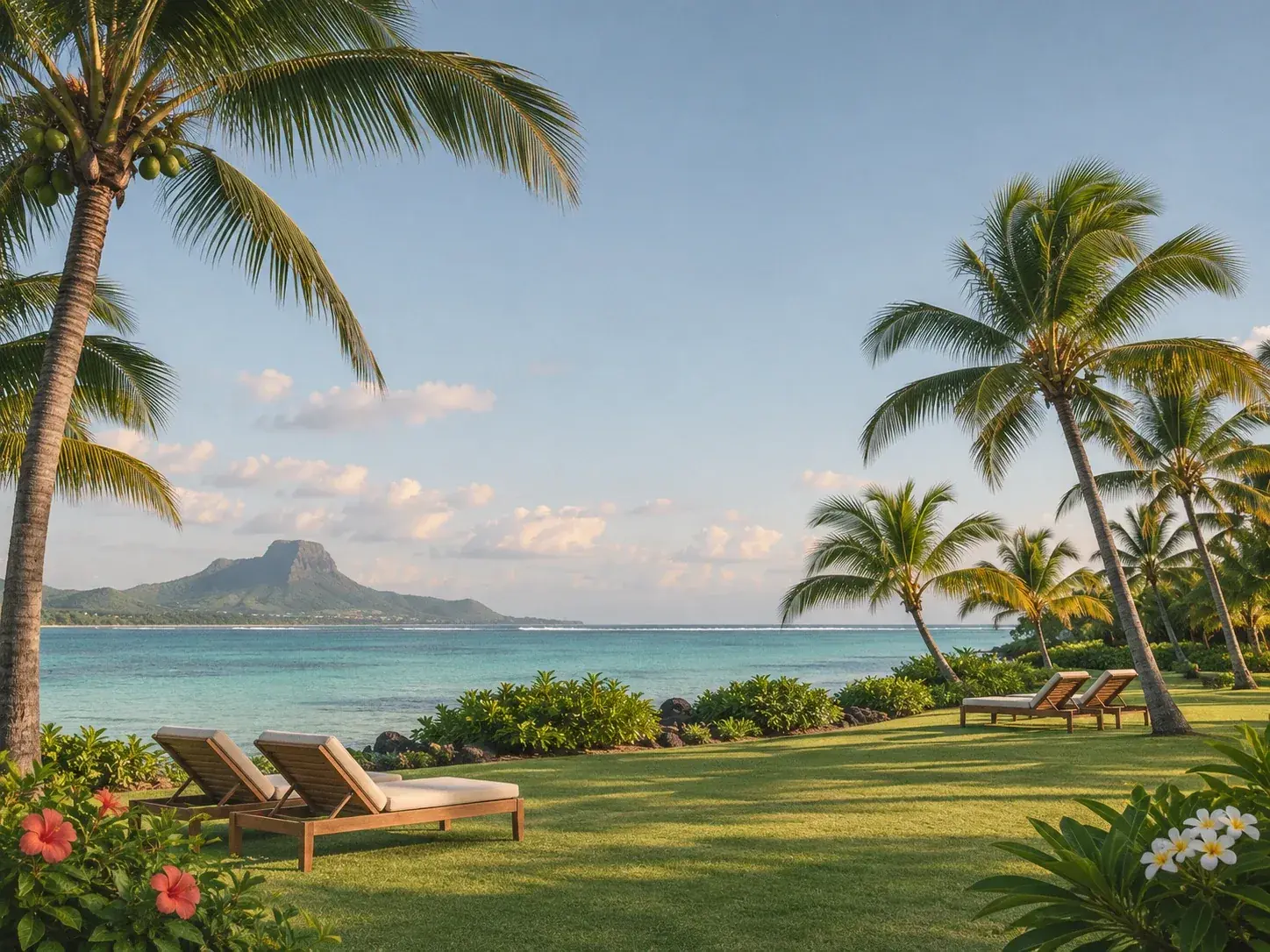
Three hotels line this shore. The Shandrani Beachcomber occupies a private peninsula of fifty-three hectares fringed by three beaches, at the heart of the marine park and facing Île aux Aigrettes. The Preskil Island Resort, facing the same island, imposes no dress code and welcomes babies from three months. Constance Le Chaland, opened in 2019 under another name and taken over by the Constance group in February 2026, stands on the edge of the marine park, ten minutes from the airport.
 AI-generated image
The forests and the wild coast
Inland, La Vallée de Ferney is a private estate of 3,100 hectares, bordered by the Bamboo Mountains, which protects two hundred hectares of native forest. Here you may come across the Mauritius kestrel, the pink pigeon and the echo parakeet, among ebonies, takamakas and bois de clou. Four marked trails, from five to eighteen kilometres, range from easy to technical; activities run from 8.30am to 2pm. The Domaine de Lagrave, in the village of Bananes, opens three trails of three, six and ten kilometres through a forest that is home to deer, monkeys and wild boar. Not far away, near Cluny, the Eau Bleue waterfall drops thirty metres into a pool of vivid blue where people swim, at the end of a slippery five-minute path.
To the west, the coast turns wild. La Cambuse, ten minutes from the airport, offers a broad shaded beach with sometimes strong currents, then a path across the rocks leads to Le Bouchon, nearly a kilometre and a half of unbroken public shoreline, and on to Pont Naturel, an arch of volcanic rock spanning the waves, and Le Souffleur, whose jet of seawater shoots up like a geyser. People come here not to swim but to watch the ocean break against the cliff.
To book
Things to do from this article
- Book on GetYourGuide →
Guided hike · Mahébourg
Ascent of Lion Mountain, Mahébourg - Book on GetYourGuide →
Boat trip · Blue Bay
Blue Bay: glass-bottom boat and snorkelling - Book on GetYourGuide →
Diving and snorkelling · Blue Bay
Blue Bay: eco-tour and snorkelling for coral protection - Book on GetYourGuide →
Boat trip · Blue Bay
Half-day private motorboat trip from Blue Bay - Book on GetYourGuide →
Quad and off-road · Mahébourg
Quad excursion in the south of the island, Mahébourg - Book on GetYourGuide →
Boat trip · Blue Bay
Île des Deux Cocos: excursion with all-inclusive lunch
The addresses
Places mentioned
- Preskil Island ResortHotel · Mahébourg★★★★Book on Booking.com →
- Constance Le ChalandHotel · Le Chaland★★★★★Book on Booking.com →
Read next
- AI-generated image
Chamarel and its heights, the land of seven colours
- AI-generated image
Trou aux Biches and Mont Choisy, beneath the casuarinas of the north-west
- AI-generated image
The central plateau, the island at altitude
Where to stay
Stay in Mahébourg and the south-east
Places to stay that are still available, with current prices, compared across the main booking platforms.