
Chamarel and its heights, the land of seven colours
Above the south-west coast, a plateau of cane and forest hides a hundred-metre waterfall, coloured dunes and a rum distillery designed to be visited. Chamarel reveals itself as you climb, from one viewpoint to the next.
October 26, 2026
 AI-generated image
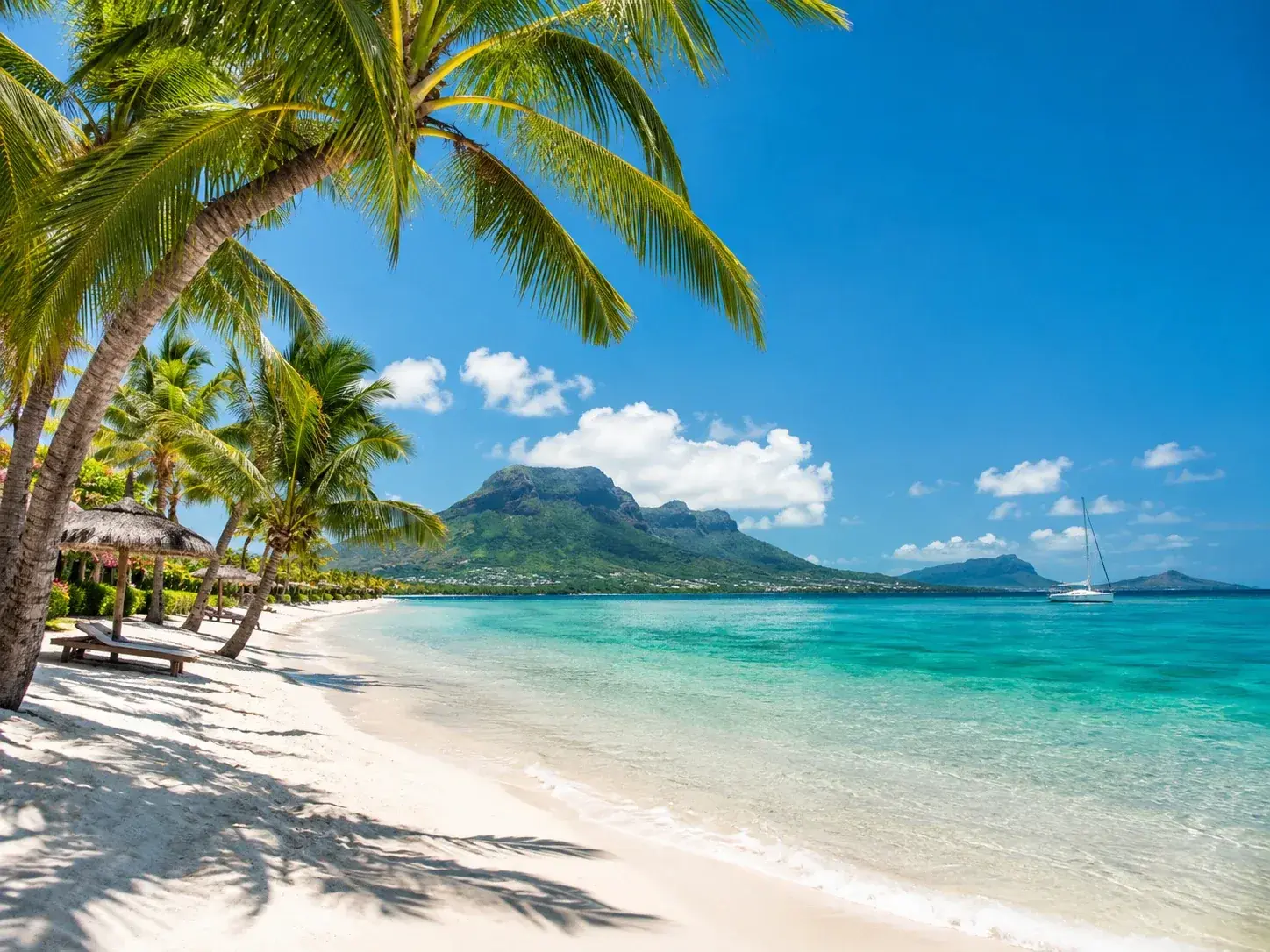
Above the coast of Case Noyale and Baie du Cap, the road climbs to a plateau where cane alternates with pineapple and forest. Chamarel is a village in the Black River district, in the south-west of Mauritius, and what has made it famous comes down to the island’s geology: a waterfall dropping from a basalt cliff, dunes of improbable colours, and summits from which Le Morne and the ocean can be seen.
The waterfall and the seven colours
Chamarel Waterfall is the highest single-drop fall on the island. Fed by three streams that join the Saint-Denis River, it splits into two ribbons that plunge from a basalt cliff, for around a hundred metres, into an oval pool. The volcanic layers it lays bare date back eight to ten million years. It is at its finest from December to April, when the water is plentiful. Two viewpoints allow it to be admired from the road; to get closer, you need permission, or a three-hour walk with a guide to the foot of the fall, where you can swim in the spray.
A little further on, the Seven Coloured Earths are the phenomenon that made the village’s name. Mauritius is a volcanic island, and erosion has laid bare here deposits of iron and aluminium oxides that tint the dunes red, brown, violet, green, blue, purple and yellow. The site is kept in its natural state. A single ticket gives access to the two viewpoints over the waterfall, to the dunes and to the park where Aldabra giant tortoises live, fed every morning. The visit is unguided: the road first passes the waterfall, 1.5 kilometres from the entrance, then reaches the dunes, at 3 kilometres. The estate also grows coffee, with a plantation, a shop and a café looking out over the landscape. The site opens at 8.30am and closes at 5.30pm from October to May, and at 5pm from June to September.
 AI-generated image
The rum distillery
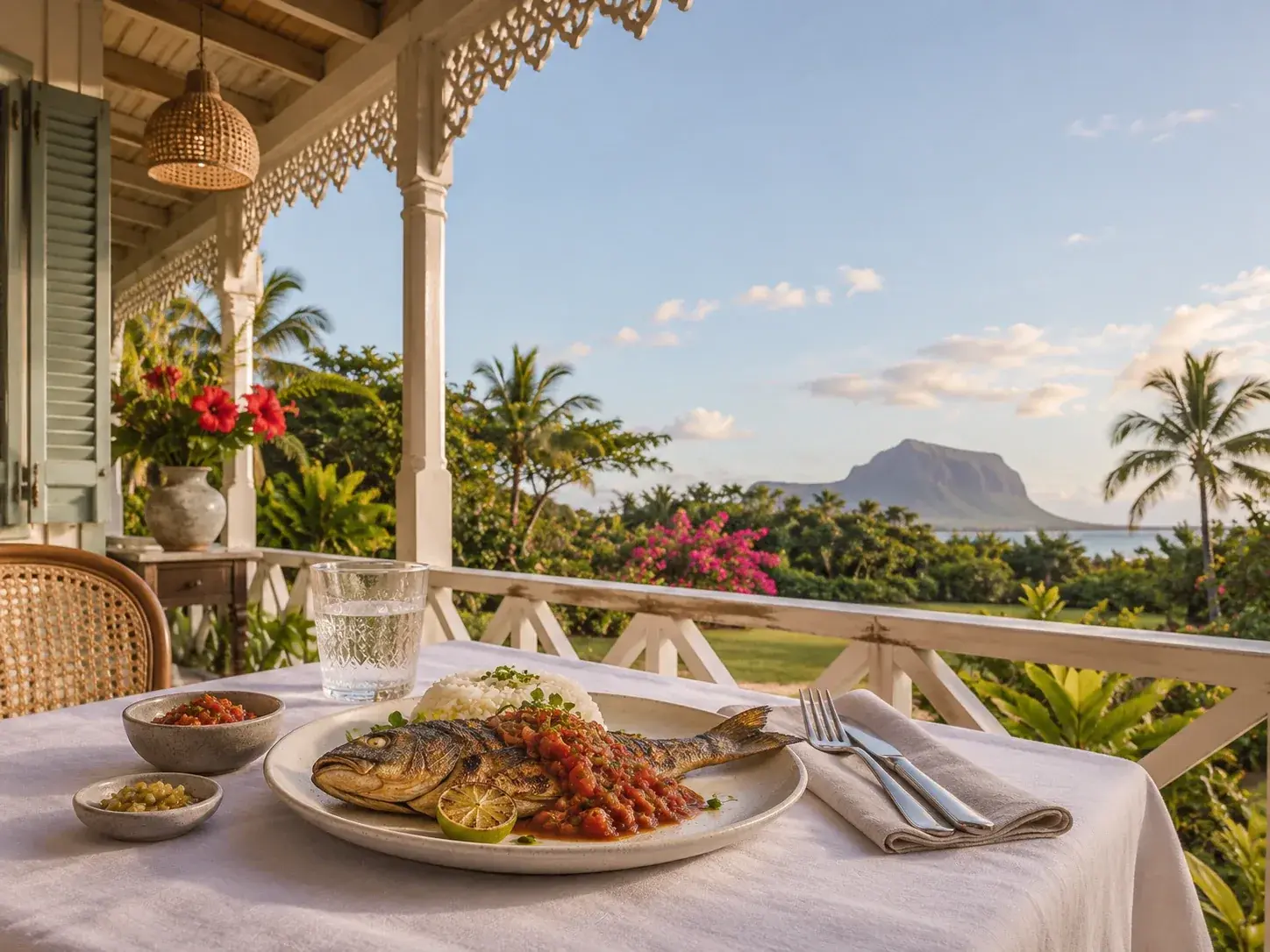
Three hundred metres above the coast, the Rhumerie de Chamarel occupies a valley whose microclimate suits sugar cane. The estate grows its own cane and harvests it by hand, without ever burning it. The building, designed by the Mauritian architect Maurice Giraud, was conceived from the outset to receive visitors, in wood, natural stone and water, melting into the landscape. Guides follow the whole process, from the copper stills to the cellars where the rum ages in oak casks, and the visit ends with a tasting of white rums, wood-aged rums, old rum and infused rums. The distillery opens from Monday to Saturday, 9.30am to 4.30pm.
Lunch is at L’Alchimiste, the distillery’s restaurant, which serves refined cooking drawn from the local land. At La Crête, on the village’s main road, Le Chamarel Restaurant offers careful Creole cooking, a few minutes from the dunes and the waterfall.
The ebony forest and Piton Canot
Since 2006, Ebony Forest has been restoring three forests at Chamarel, 195 hectares in all, where its team weeds, plants and raises native and endemic species. The trails, all easy, range from 2.3 to 6.1 kilometres. The Flycatcher walkway crosses an old ebony forest for some three hundred metres, more than four metres above the ground, on a half-hour guided visit, departing every hour from 9.30am to 4pm. You can also visit the aviaries where the pink pigeon and the echo parakeet are released, or follow the specialists in search of the Mauritius kestrel.
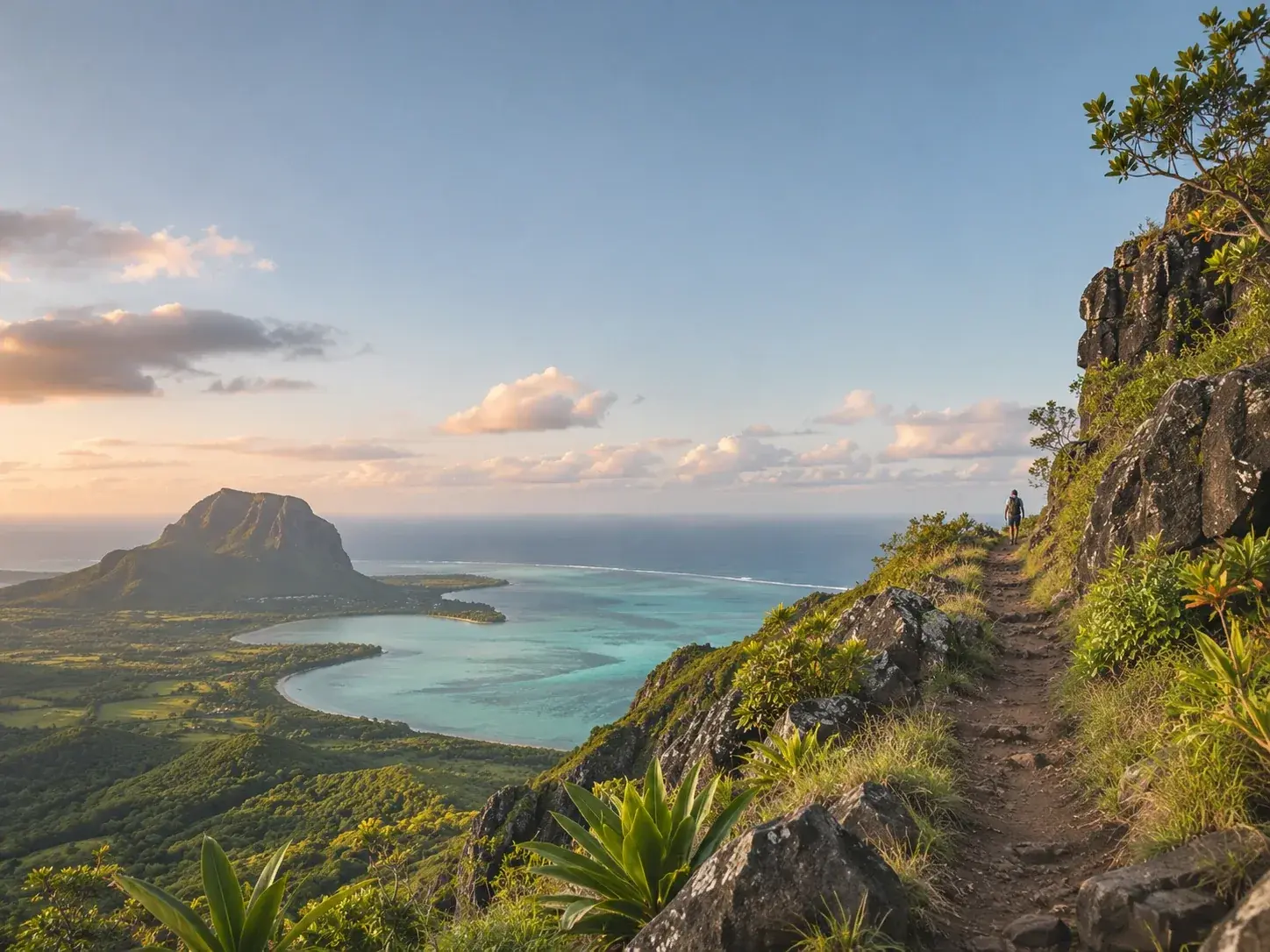
The Ridgeline Trail leads in half an hour to Sublime Point, from which the view reaches Le Morne and the ocean. More demanding, the Piton Canot trail climbs one hundred and forty metres over four hundred metres to a summit of 542 metres, with a full panorama over Chamarel and the south-west coast; guided outings go up for the sunset. The site closes at 5pm, and it is best to arrive before 2.30pm.
 AI-generated image
Higher still
For those who want to climb higher, Black River Gorges National Park is home to the Piton de la Petite Rivière Noire, the highest point in Mauritius at 828 metres. The trail runs to five or six kilometres, an hour and a half to two and a half hours’ walk, and its last stretch is demanding; at the summit, clouds can hide the view, but in clear weather it takes in the whole island.
In the mountains of Savanne, Ganga Talao, also called Grand Bassin, is a crater lake and one of the great sites of Mauritian Hinduism. A statue of Shiva thirty-three metres high guards its entrance. You walk around the lake, between the colourful shrines set at the water’s edge and the monkeys that play there. For the festival of Maha Shivaratri, worshippers from all over the island make the pilgrimage on foot to the lake to pray and leave their offerings.
To book
Things to do from this article
- Book on GetYourGuide →
Entry ticket · Chamarel
Entrance ticket for the Seven Coloured Earth geopark, Chamarel - Book on GetYourGuide →
Entry ticket · Chamarel
Chamarel: entry ticket to the Seven Coloured Earth Geopark - Book on GetYourGuide →
Day tour by car · Chamarel
Chamarel: tour of the four parks - Book on GetYourGuide →
Private tour · Chamarel
Chamarel: private guided day tour of the south-west - Book on GetYourGuide →
Private tour · Chamarel
Chamarel: private tour of the great sights of the south-west - Book on GetYourGuide →
Day tour by car
Chamarel and Le Morne: private tour with no commission stops
The addresses
Places mentioned
- Le Chamarel RestaurantRestaurant · Chamarel
- Black River Gorges National ParkHike
- Piton de la Petite Rivière NoireHike
Read next
- AI-generated image
Trou aux Biches and Mont Choisy, beneath the casuarinas of the north-west
- AI-generated image
The central plateau, the island at altitude
 AI-generated image
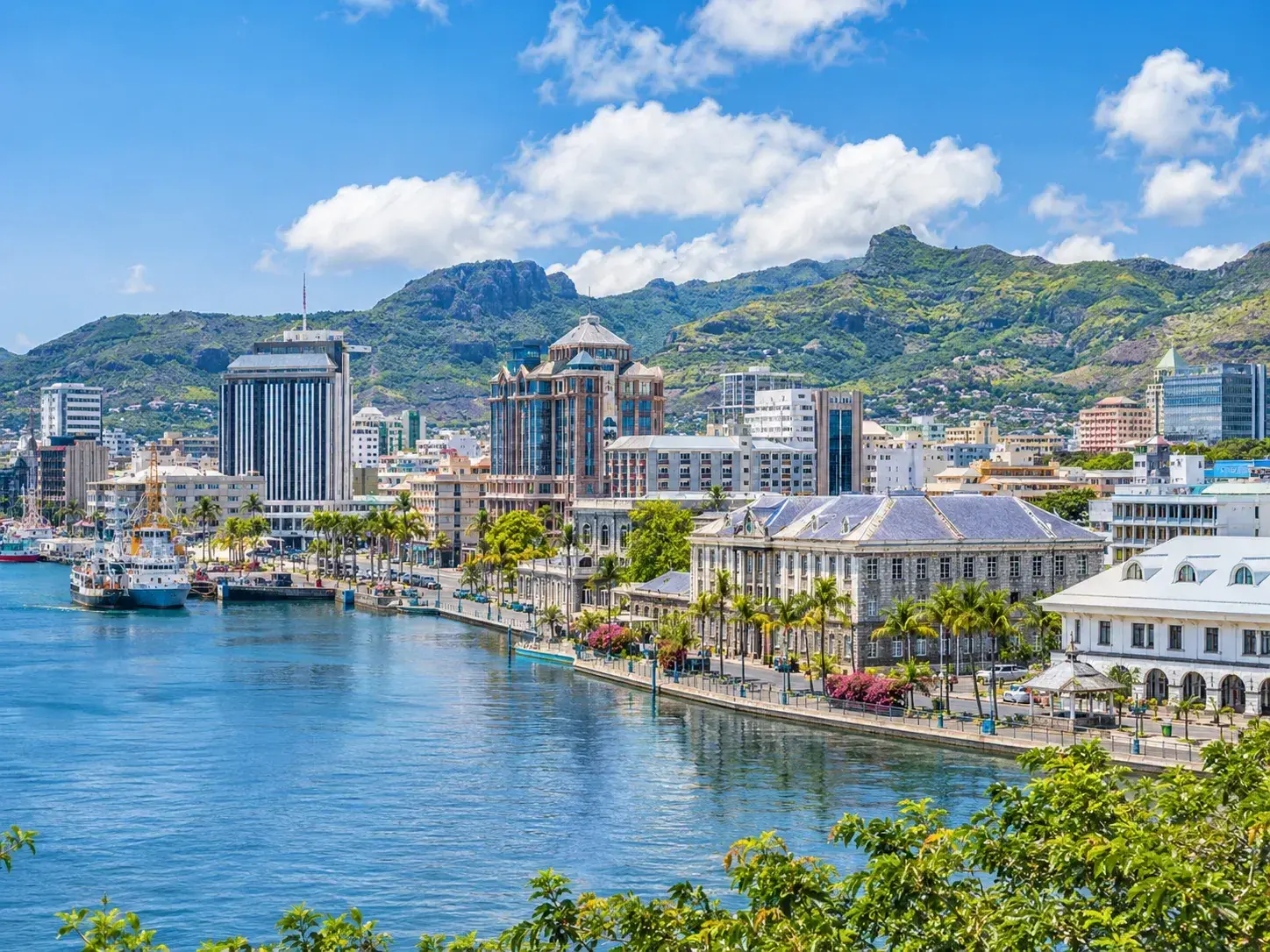
Port Louis in a day, from bazaar to citadel
Where to stay
Stay in Chamarel and the south-west
Places to stay that are still available, with current prices, compared across the main booking platforms.